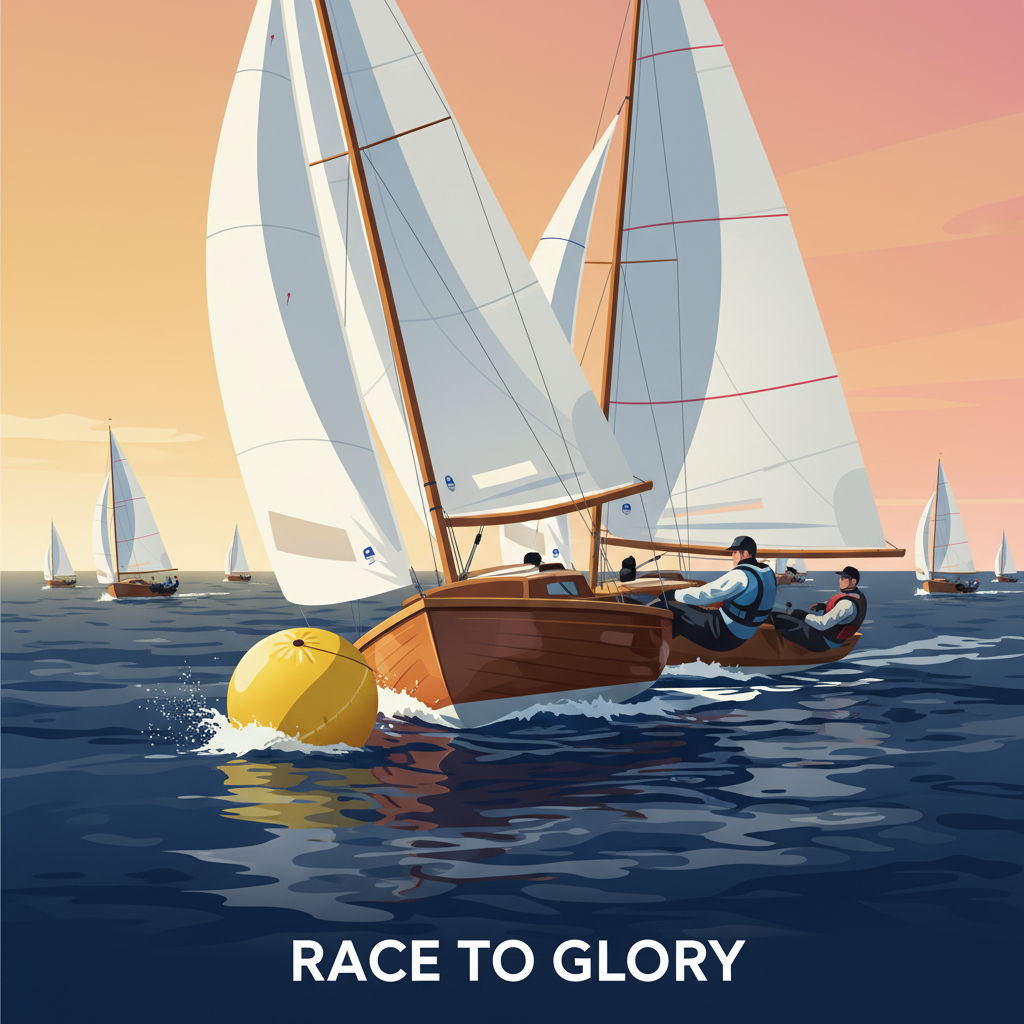
In an era dominated by the relentless pursuit of speed, where million-dollar campaigns meticulously analyze every knot of boat speed and every degree of wind shift, it’s refreshing to occasionally cast an eye towards the grassroots of our sport. The recent Ovington Inland Championships for the Firefly class, as reported by Sail-World, offers a poignant reminder that sailing's true essence often lies far beyond the high-stakes drama of the America's Cup or the relentless grind of The Ocean Race.
While we at SailGrit routinely dissect the intricate wing-sail designs of Emirates Team New Zealand or the strategic masterstrokes of Ben Ainslie's INEOS Britannia, the Firefly fleet embodies a different, yet equally vital, facet of competitive sailing. This isn't about optimizing Harken hardware for maximum load or debating the merits of North Sails' latest 3Di iteration. It’s about the pure, unadulterated joy of being on the water, the camaraderie forged over shared boat work, and the simple satisfaction of a well-executed tack.
The Firefly's enduring appeal lies in its accessibility and the vibrant community it fosters. It’s a class where tinkering with your Southern Spars rig is as much a part of the experience as the racing itself. It’s a break from the digital cacophony, a chance to reconnect with old friends, and to engage in the kind of low-tech, high-skill racing that hones fundamental sailing instincts. While the grand prix world pushes boundaries with foiling technology and complex weather routing, the Firefly reminds us that the heart of sailing beats strongest in the simple act of harnessing the wind, surrounded by good company. It's a vital counterpoint, a grounding force in a sport increasingly defined by hyper-innovation.