The question posed by Scuttlebutt, and thoughtfully echoed by Mark Johnson, cuts to the very heart of modern competitive sailing: has our unbridled embrace of innovation, largely unconstrained by a conservative international federation, truly made the sport better, or merely faster and more exclusive?
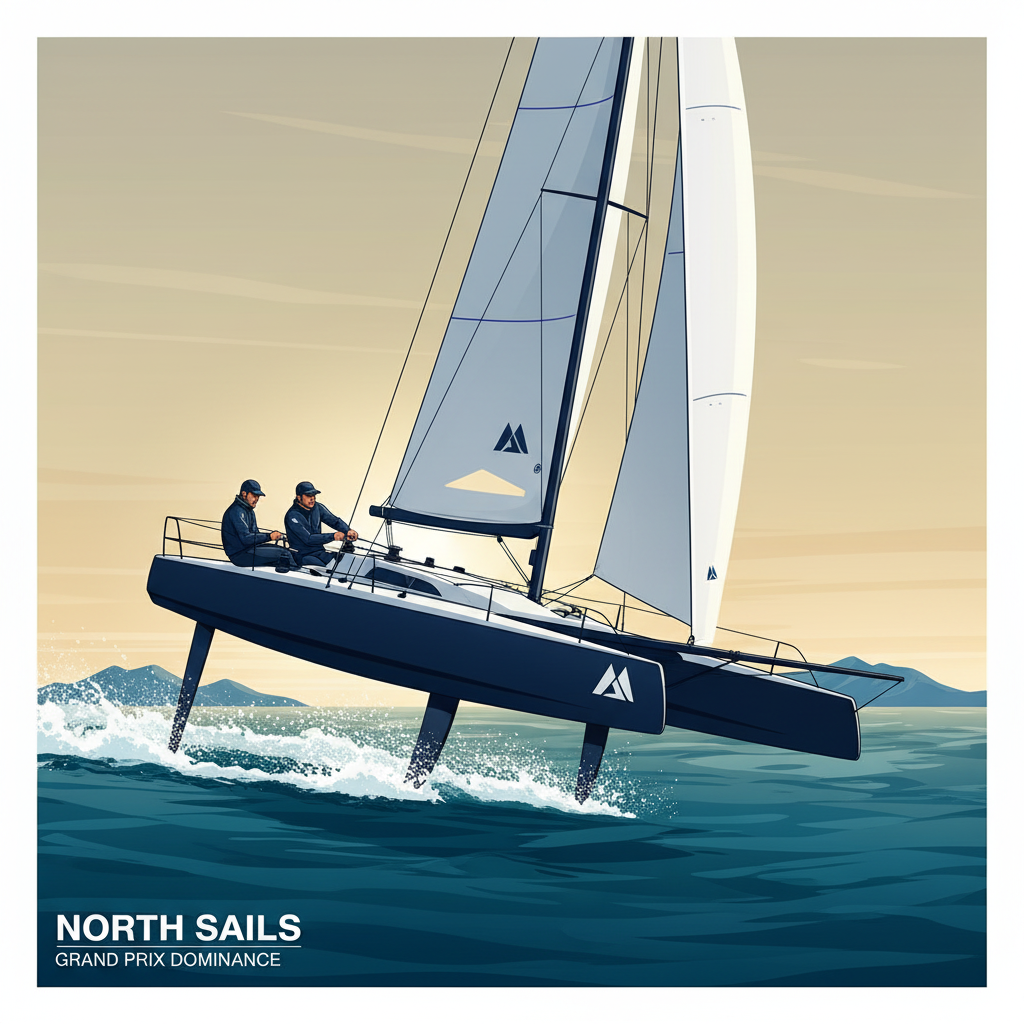
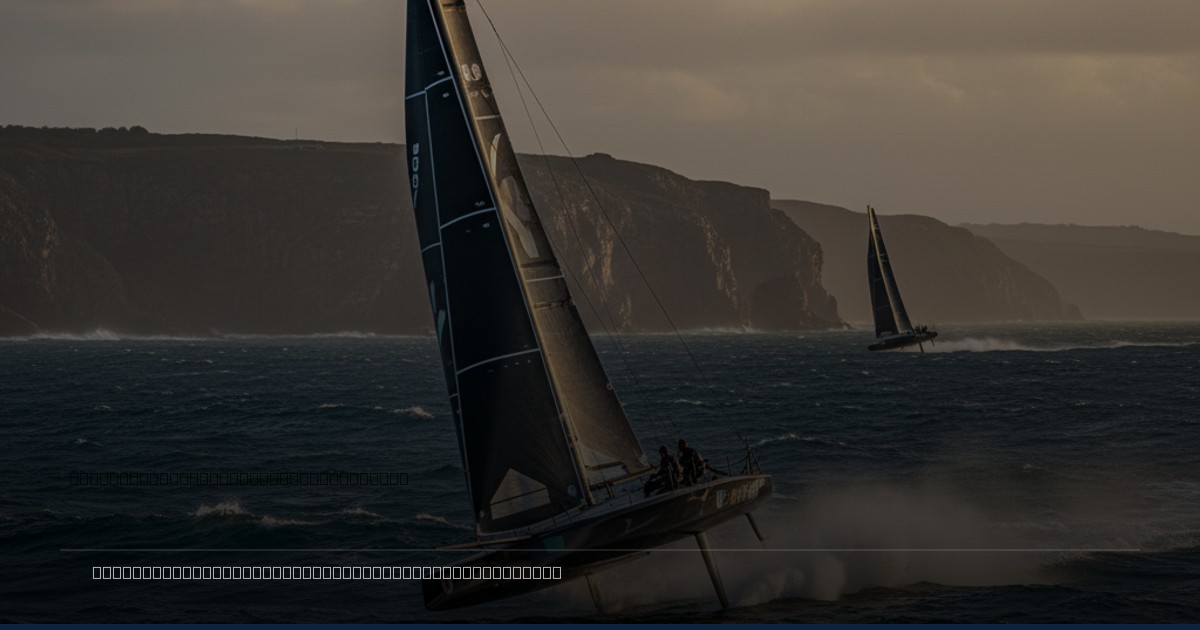
Having witnessed the transformation firsthand, from the IACC yachts of the early 2000s to the mind-bending AC72s and now the ubiquitous F50s of SailGP, the technological acceleration is undeniable. The sheer ingenuity of teams like Emirates Team New Zealand, pushing the boundaries with Southern Spars rigs and North Sails' aerodynamic wizardry, is a testament to human endeavor. The transition to foiling, a concept once confined to hydrofoil ferries, has redefined performance, demanding a new breed of athlete – think Peter Burling's cat-like reflexes or Tom Slingsby's surgical precision.
Yet, this relentless march forward comes with a price. The entry barrier to the America's Cup, with its $100M+ campaigns, has become astronomical, limiting participation to a handful of nations and billionaires. While SailGP offers a more accessible, stadium-style spectacle, the underlying technology is still bespoke and complex. Are we alienating the very club sailors and enthusiasts who form the sport's bedrock? The grand prix circuit, with its TP52s and Maxi 72s, still offers a more traditional, albeit highly refined, sailing experience. The Ocean Race, too, grapples with the balance between cutting-edge IMOCA 60s and the broader appeal.
Securing the future isn't just about speed; it's about sustainability, accessibility, and retaining the fundamental challenge of harnessing wind and water. The sport needs to find a delicate equilibrium, ensuring that while innovation continues to thrill, it doesn't leave the majority of sailors in its wake.