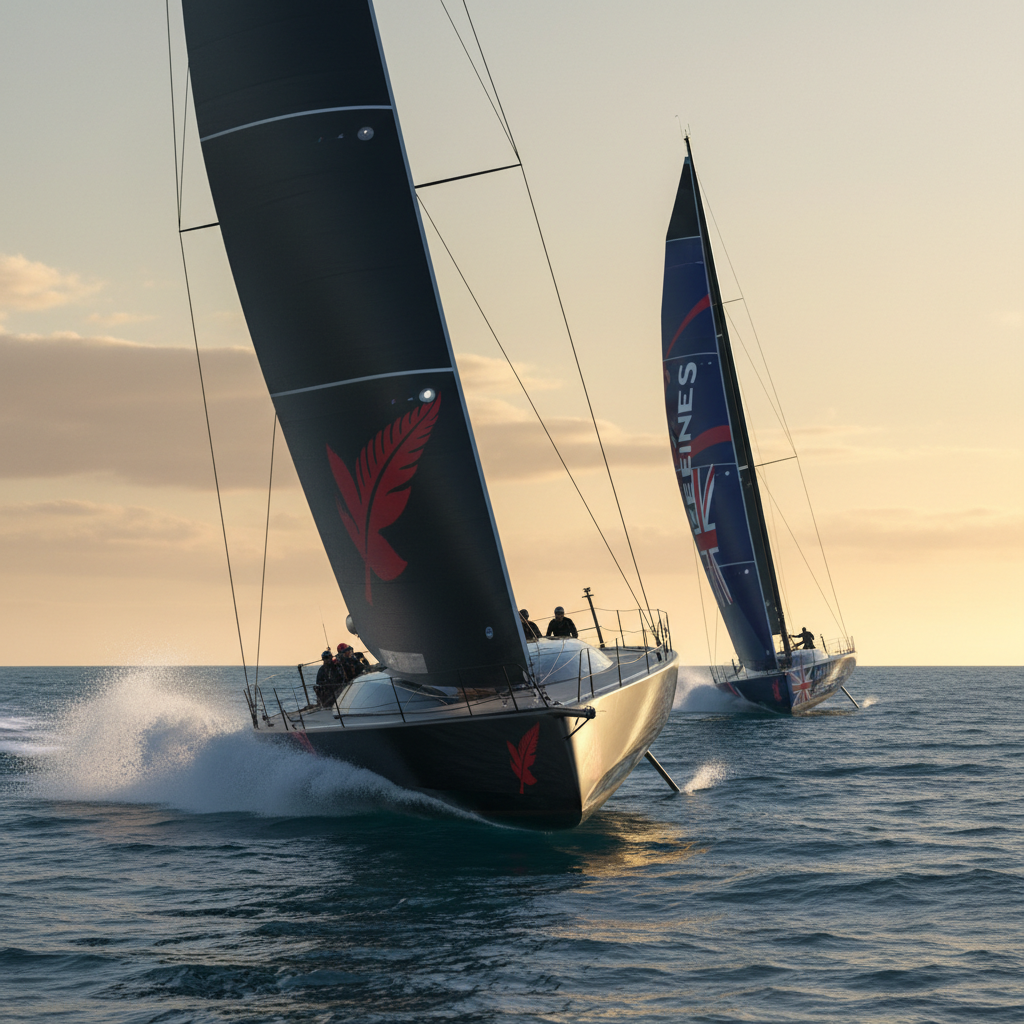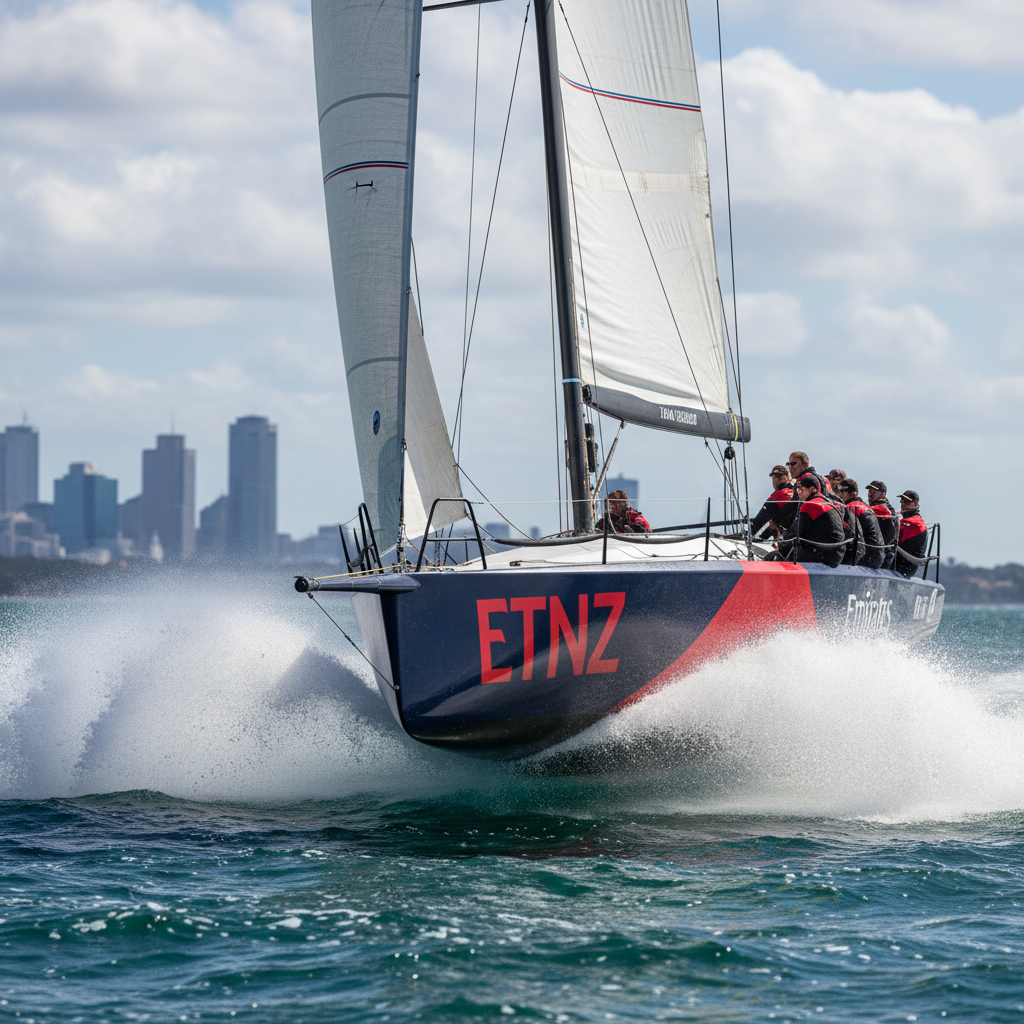
The nascent 38th America's Cup cycle is already delivering its characteristic blend of methodical development and high-octane incident. On the inner Hauraki Gulf, Emirates Team New Zealand, ever the benchmark, put in a monumental shift aboard their AC75. These long days are where the real gains are made, meticulously logging data on everything from foil aspect ratios to the intricate control systems that govern their Southern Spars rig and Harken hydraulics. For Peter Burling and Nathan Outteridge, every tack and gybe is a data point, refining the flight envelope and understanding the nuanced interplay between their North Sails wing and the hull's hydrodynamic efficiency.
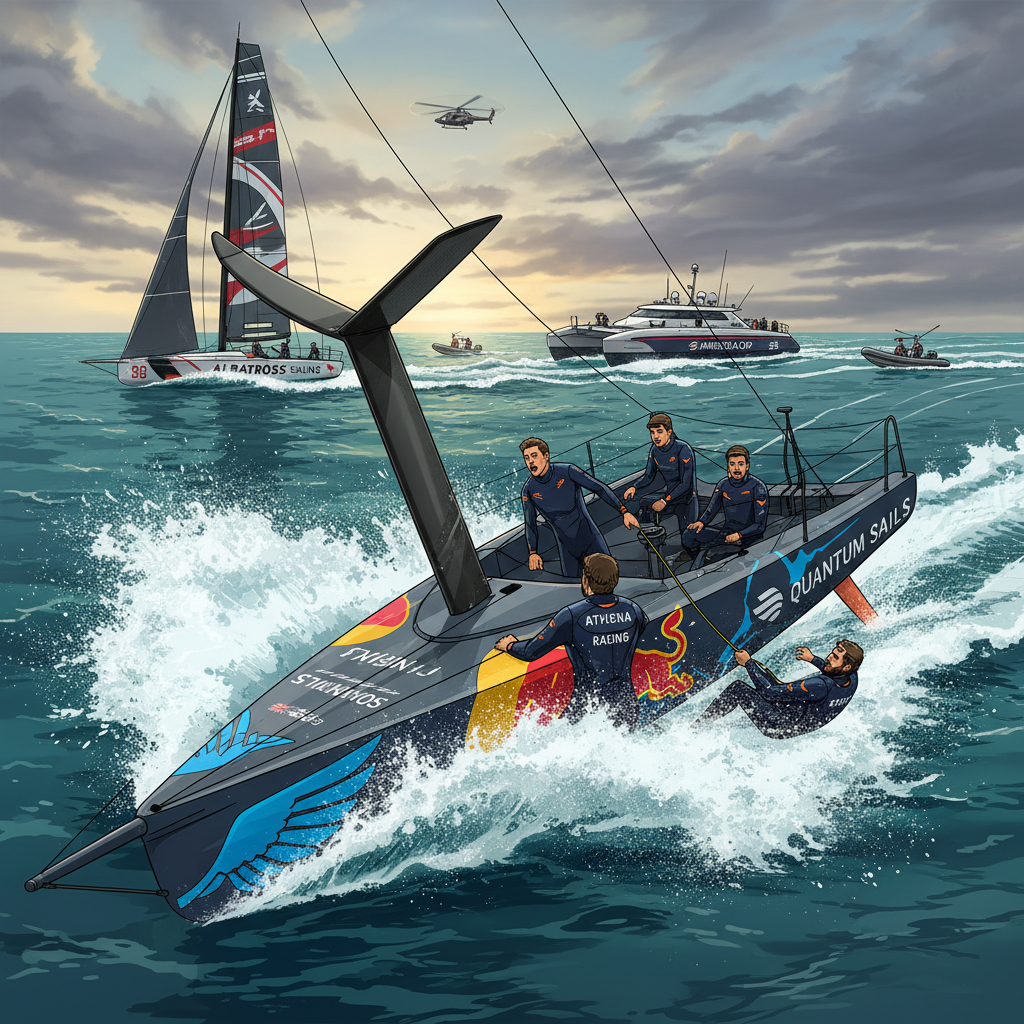
Meanwhile, in the Gulf of Cagliari, the British Athena Racing team provided an early, albeit unplanned, highlight. While training in their AC40 – the scaled-down, production-class testbed for the Cup – they managed a spectacular 'tip-truck' capsize. In fresh conditions, these 40-foot rockets can be unforgiving. It's a stark reminder that even with sophisticated flight control software, these boats operate on a knife-edge. For a developing team, such incidents, while costly in time and potentially gear, are invaluable learning experiences. They push the boundaries of the boat's stability and the crew's recovery protocols, lessons that will undoubtedly be applied to INEOS Britannia's larger AC75 program. This early drama underscores the relentless pursuit of speed and the inherent risks that define America's Cup sailing.