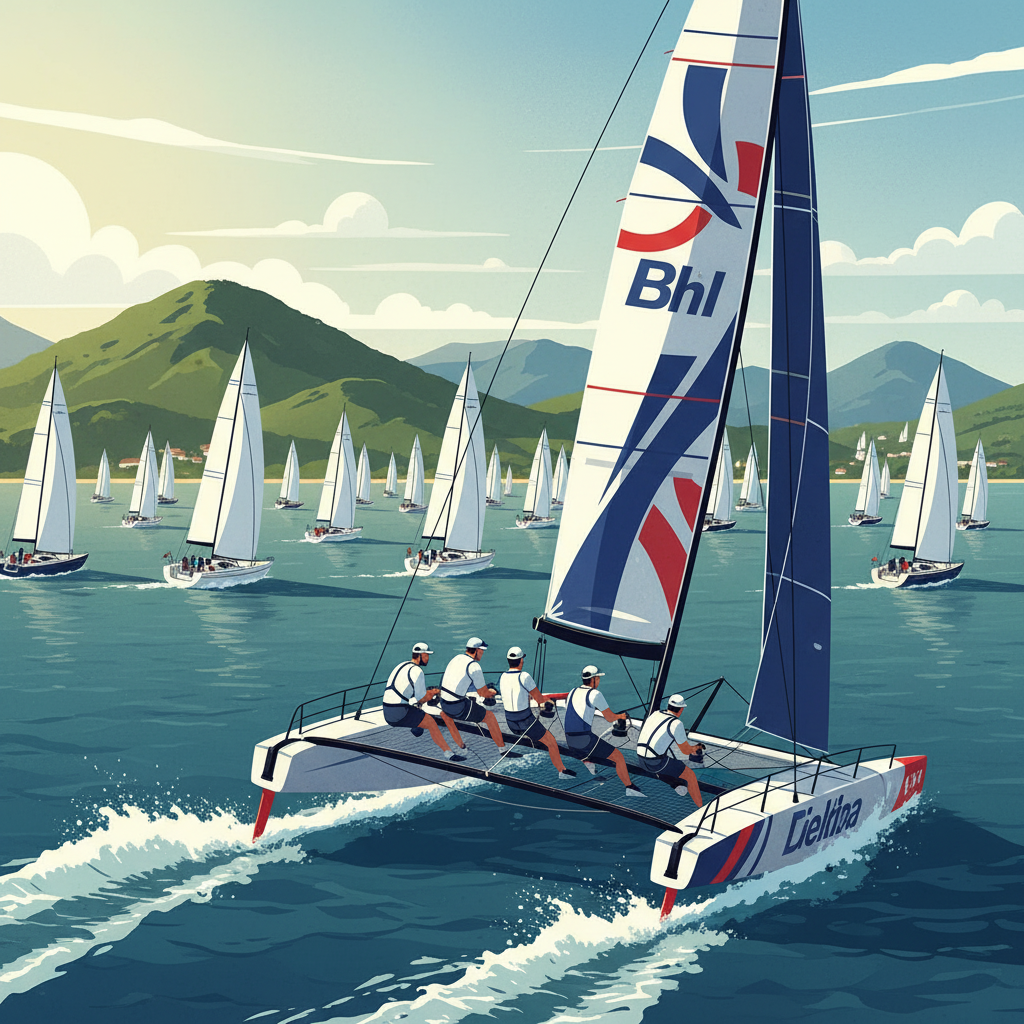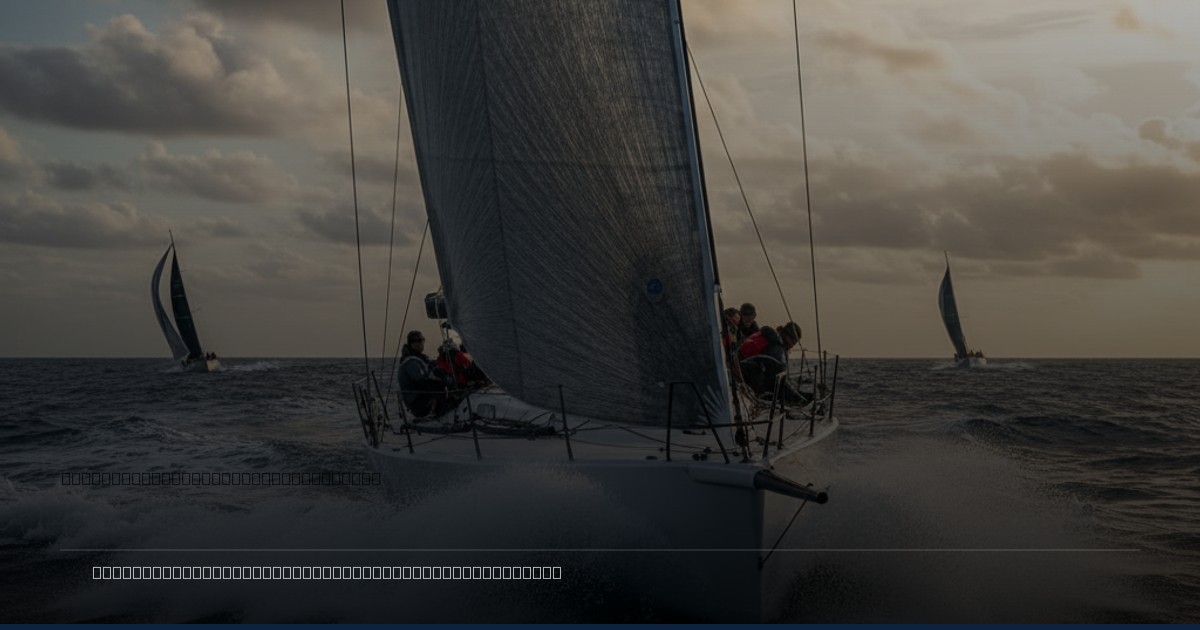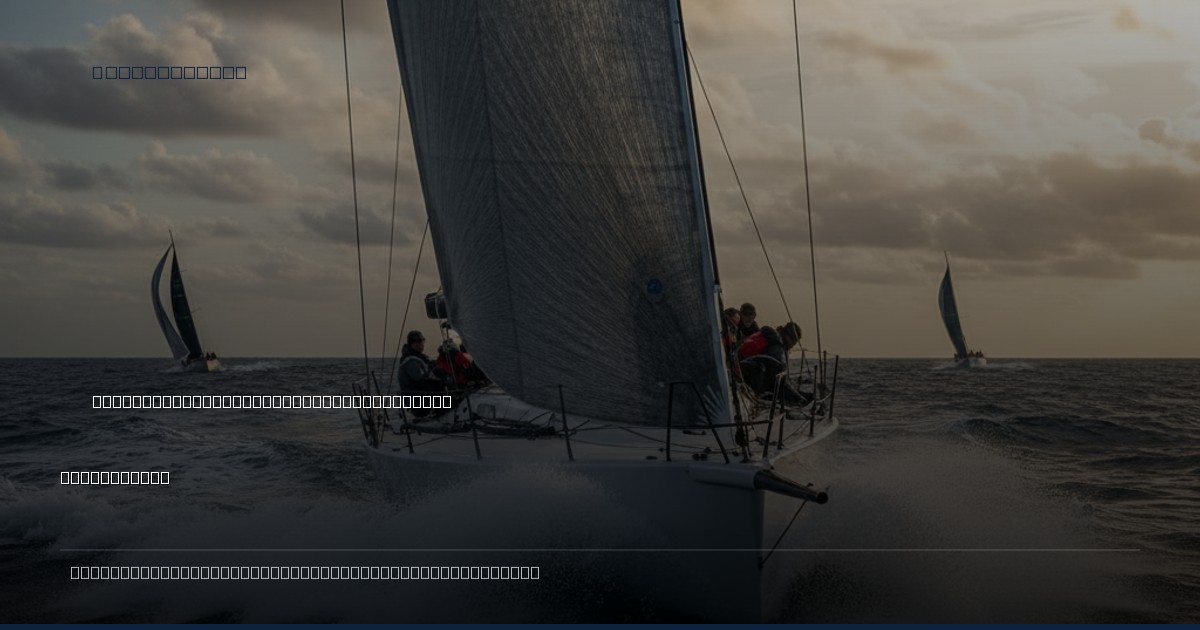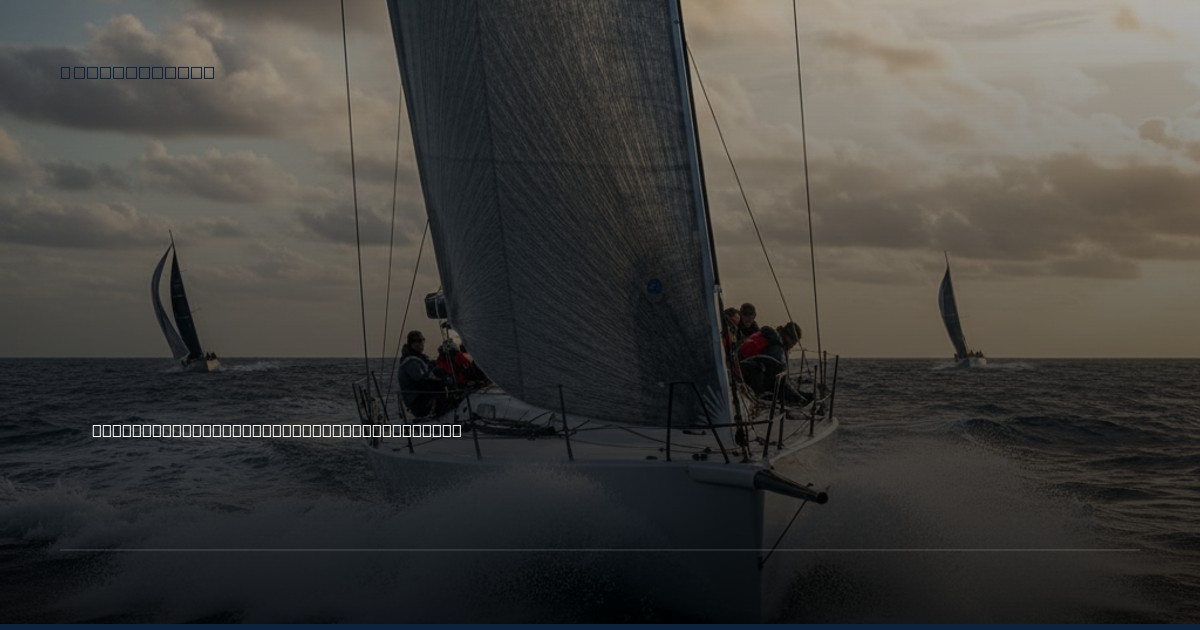
The Bay of Palma, typically a bastion of predictable sea breezes, has thrown a curveball at the 1100 athletes competing in the 55th Trofeo Princesa Sofia Mallorca. Following a challenging opening day, Tuesday delivered a second consecutive dose of shifty, offshore winds, turning what is often a speed-driven regatta into a true test of tactical acumen and nerve.
For the Olympic hopefuls across the ten classes, from the nimble ILCA dinghies to the high-performance 49ers and Nacra 17s, these conditions are a double-edged sword. While frustrating for those accustomed to consistent pressure, such variability is invaluable training for the unpredictable arenas of an Olympic Games. Sailors had to contend with significant pressure differentials and frequent, often unforecasted, wind shifts – a scenario that would make even a seasoned America's Cup tactician like Terry Hutchinson or Glenn Ashby pause. The ability to read the water, anticipate the next header or lift, and execute flawless maneuvers under pressure became paramount. Those relying solely on boat speed, without a keen understanding of the micro-weather patterns, found themselves quickly relegated to the back of the fleet.
The race committees, too, faced an unenviable task. Setting fair lines and managing mark placements in such volatile conditions is a logistical nightmare, requiring constant vigilance and swift adjustments. One can almost hear the exasperated calls over the VHF, a stark contrast to the usual rhythmic flow of a Palma sea breeze day. As the regatta progresses, all eyes will be on the forecast, hoping for the return of the Bay's more reliable, and arguably more enjoyable, southerly flow. Until then, the battle for supremacy in Mallorca remains a chess match on a constantly shifting board.