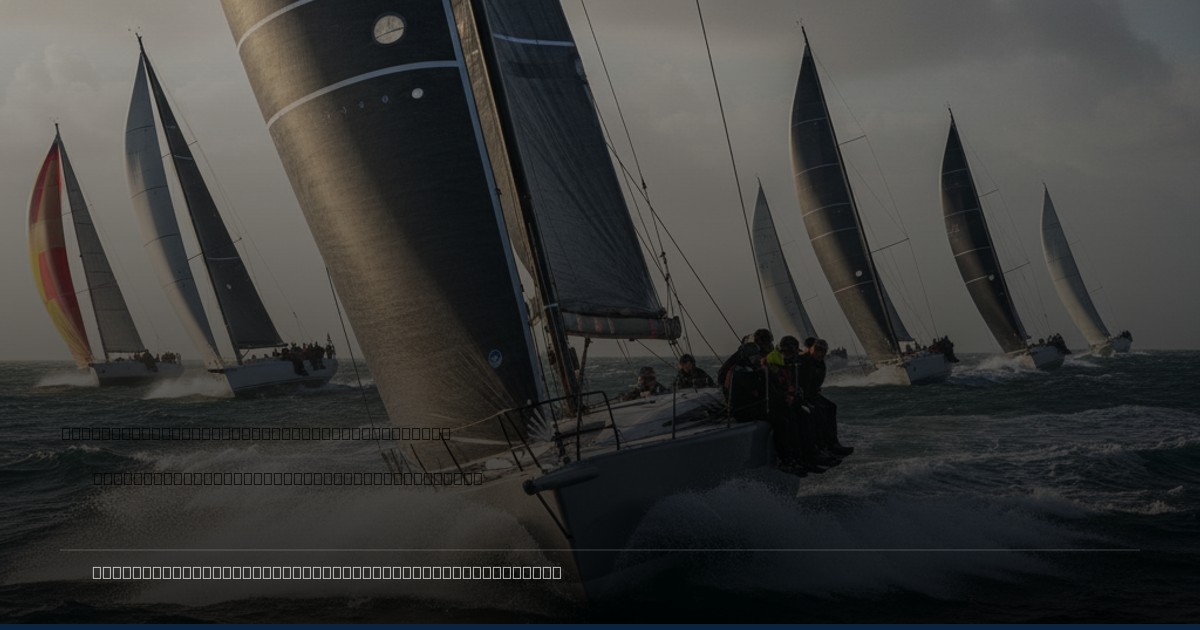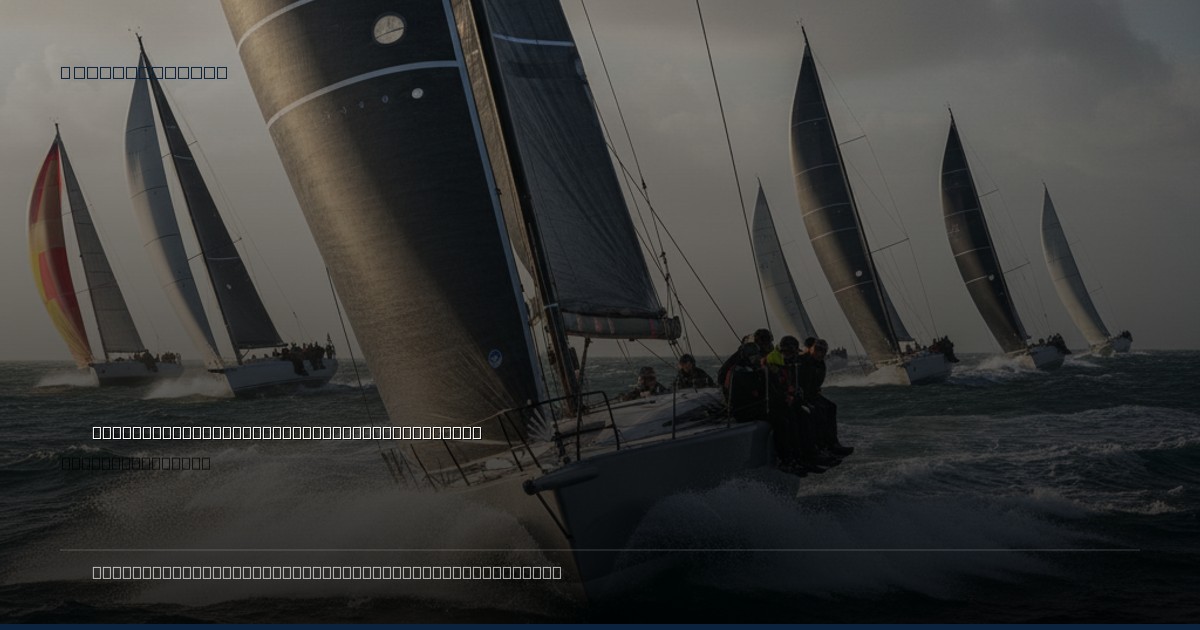
Auckland, NZ – The familiar lines of Taihoro, Emirates Team New Zealand's victorious AC75 from Barcelona, have reappeared on the Waitematā Harbour, but beneath the surface, a revolution is underway. This isn't merely a fresh coat of paint; it's a profound engineering overhaul driven by the most significant crew reduction in modern America's Cup history – from eight sailors down to a mere five for the 37th edition.
For those of us who've witnessed the evolution of these magnificent machines, the shift is staggering. The decision to reuse the existing AC75 hulls for 2027, while a nod to cost control, presents a fascinating design challenge. Taihoro, originally conceived for an 11-person crew in AC36 and then adapted for eight, now faces its most extreme metamorphosis. The power generation, the very lifeblood of these foiling behemoths, must be completely rethought. We're talking about fewer grinders, less human horsepower to drive the hydraulic systems that control the wing-foil cant, rudder rake, and sail trim. This necessitates a radical re-evaluation of every component, from Harken's hydraulic circuits to Southern Spars' mast and boom configurations, all while maintaining the structural integrity of the existing hull.
What does this mean for tactics? With fewer hands on deck, every movement, every control input becomes critical. The synergy between helmsman Peter Burling, trimmer, and flight controller will be paramount. Expect highly integrated systems, perhaps even more automation, to compensate for the reduced crew. The physical demands on these five athletes will be immense, pushing the boundaries of human endurance. As INEOS Britannia, Luna Rossa, and American Magic watch closely, ETNZ's early reveal of Taihoro's new configuration offers a tantalizing glimpse into the future of high-performance foiling – a future where efficiency and precision are king.