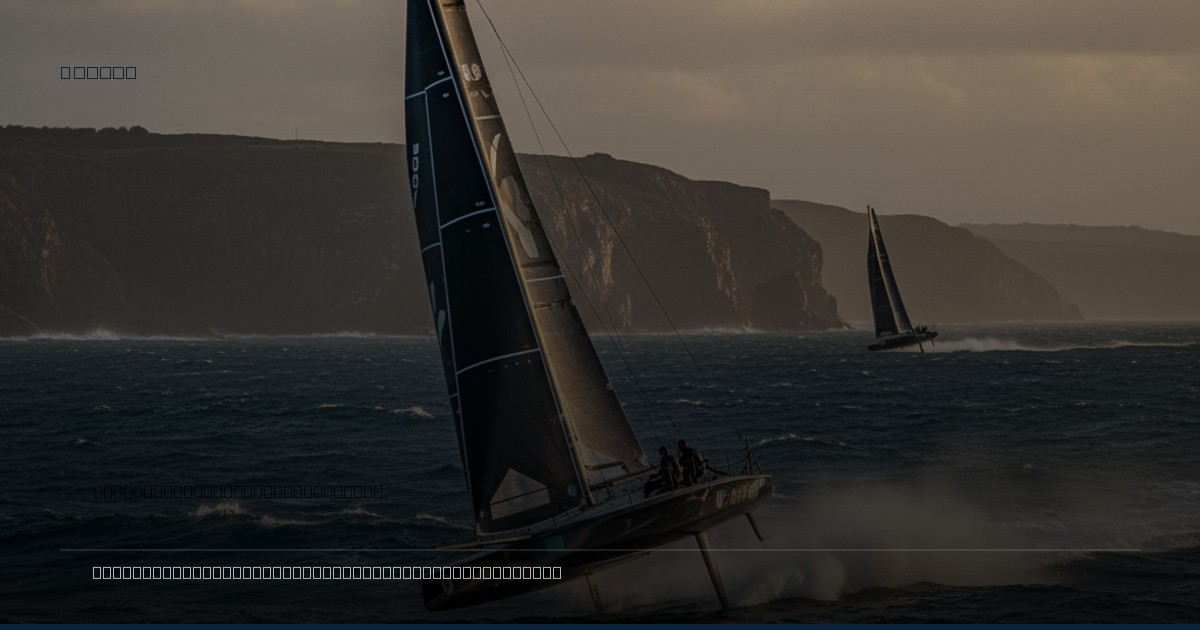
While the world's gaze often fixes on the stratospheric budgets and cutting-edge hydrodynamics of the America's Cup or the relentless offshore grind of The Ocean Race, the bedrock of competitive sailing lies in classes like the venerable Lightning. It’s here, in the crucible of tight one-design racing, that the fundamental skills of boat handling, tactical acumen, and crew communication are truly honed. And it’s precisely this vital pipeline that the International Lightning Class Boat Grant Program has been so effectively nurturing since 2007.
This isn't merely a hand-out; it's a strategic investment in the sport's future. Over 55 young teams have benefited from a comprehensive package that includes not just a nearly new boat and a competitive sail inventory – likely featuring some well-cut North Sails – but also crucial support for regatta entries, insurance, and even travel. Critically, each team is paired with a seasoned mentor. This isn't just about learning how to trim a jib or set a spinnaker; it's about understanding the nuances of wind shifts, mastering tidal gates in a competitive fleet, and developing the strategic thinking that separates contenders from the rest.
Think of the journey. Before a Peter Burling or a Tom Slingsby can command an AC75 or a SailGP F50, they first master the basics in a dinghy or a smaller keelboat. The Lightning, with its demanding yet rewarding nature, provides that perfect proving ground. The lessons learned here – the importance of a clean start, the art of close-quarters maneuvering, the relentless pursuit of boat speed through subtle adjustments – are directly transferable to the grander stages. This program isn't just encouraging participation; it's actively cultivating the next generation of sailors who might one day hoist the Auld Mug or conquer the Southern Ocean. It’s a testament to the enduring power of grassroots initiatives in a sport increasingly dominated by high-tech spectacle.