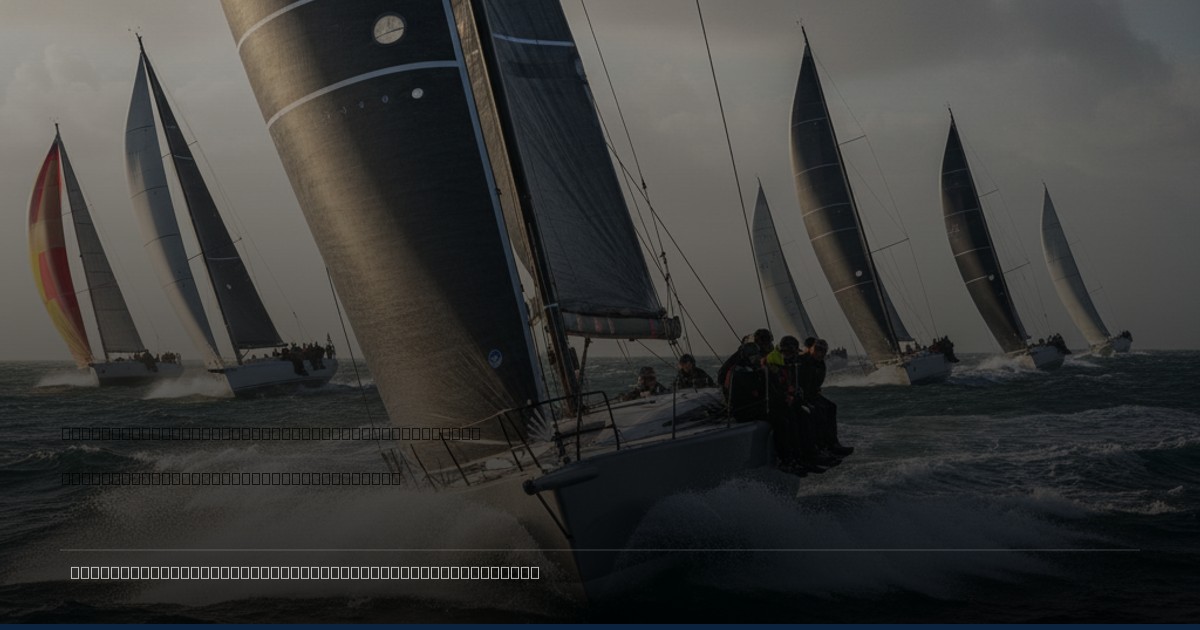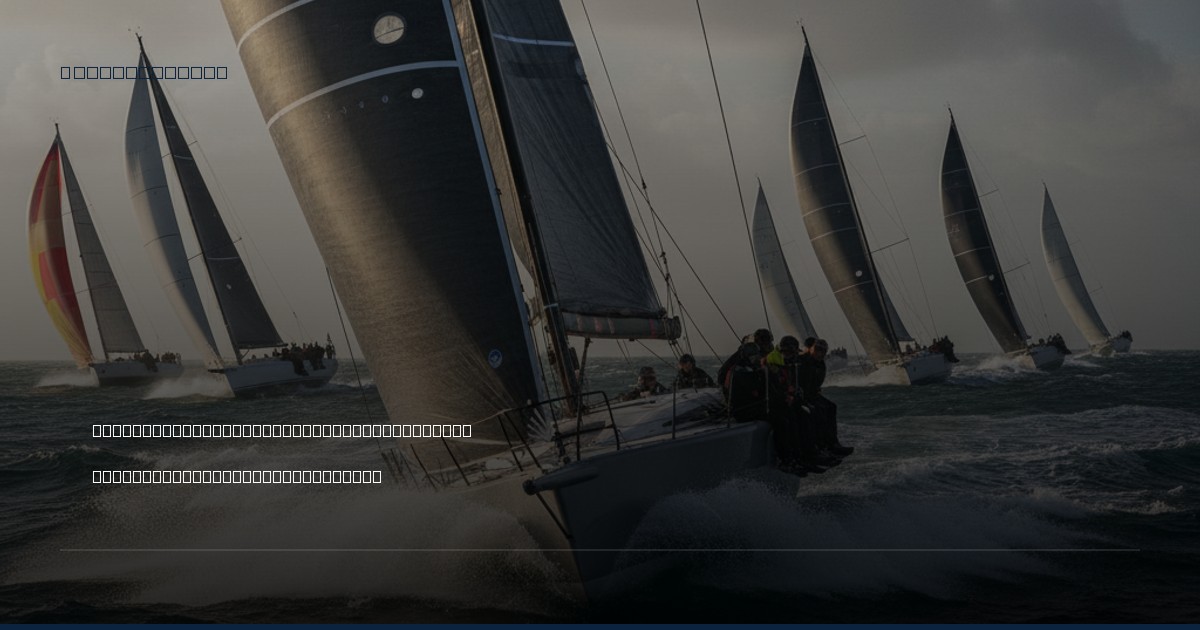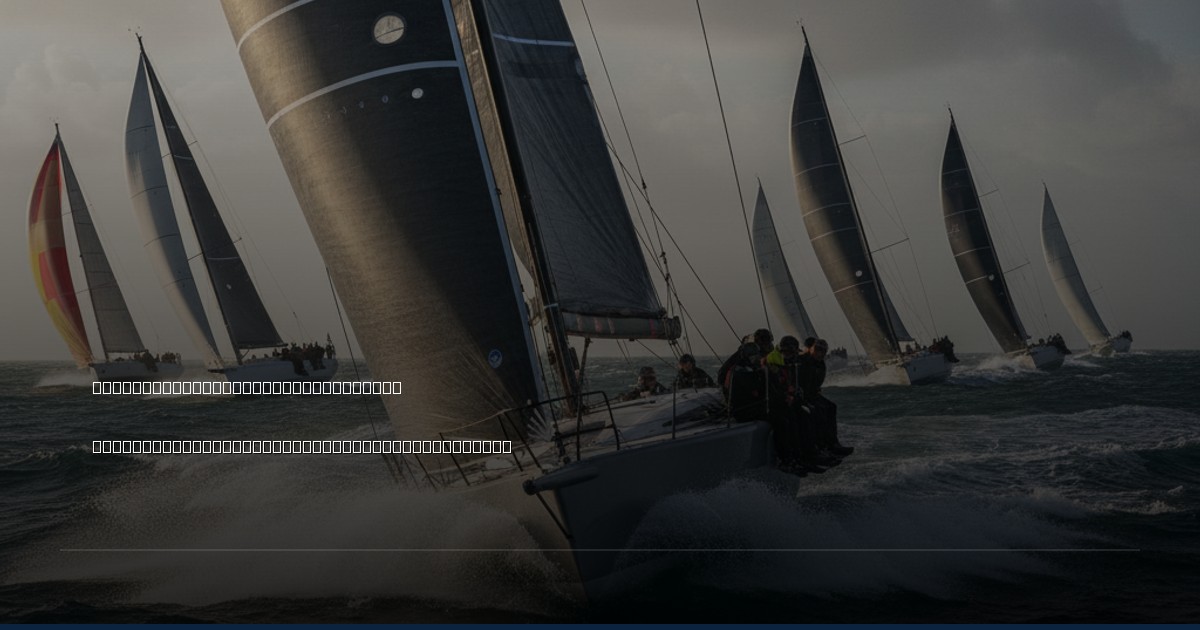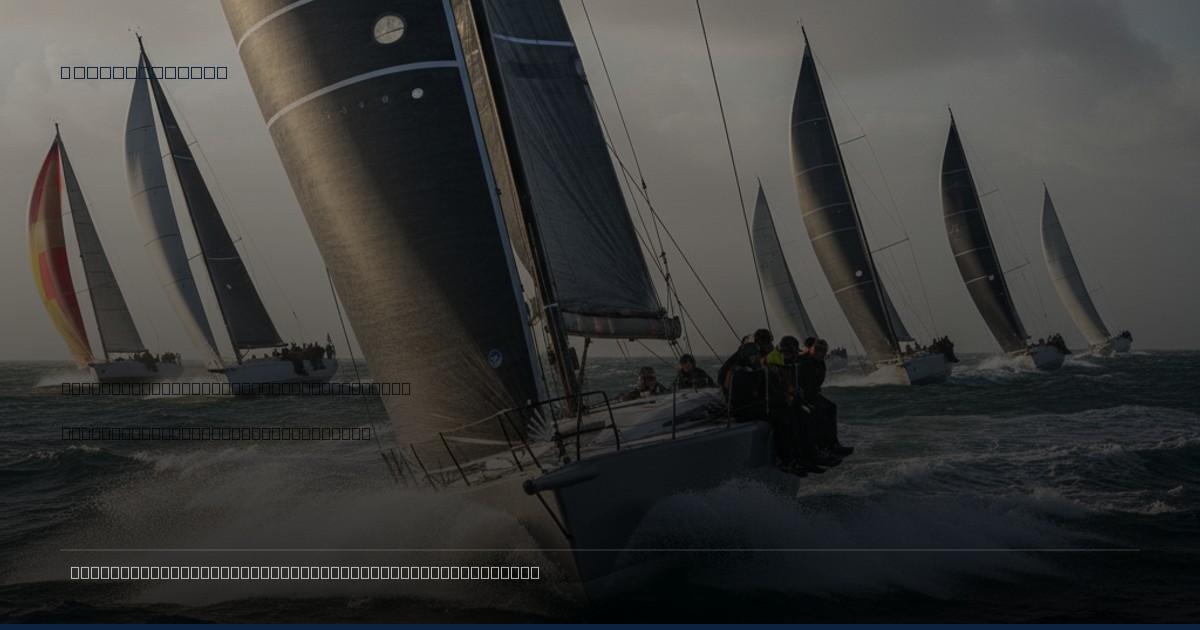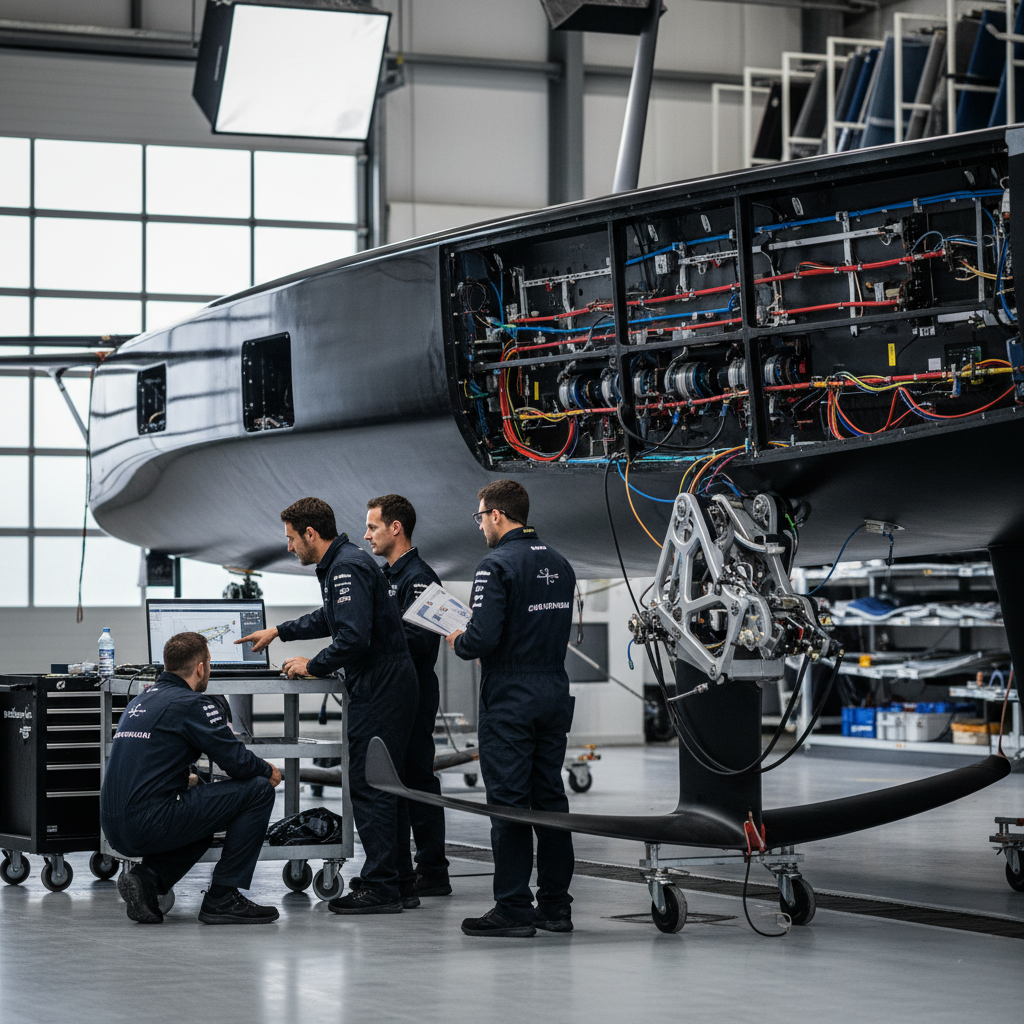
In the high-stakes arena of the America's Cup, where a single design misstep can unravel a multi-million dollar campaign, the mantra 'measure twice, cut once' takes on an almost sacred significance. Indeed, as whispers from design offices suggest, it's more likely 'measure thrice, then reconsider, then measure again.' The initial quantum of ambition, it seems, is being tempered by a pragmatic pursuit of perfection, eschewing the overtly aggressive, headline-grabbing radicalism that sometimes defines early AC cycles.
This nuanced approach is particularly evident in the subtle refinements being made to the AC75s. We're not seeing elongated rigs that push the very limits of Southern Spars' carbon fiber wizardry, nor are we witnessing sail plans so extreme they'd make a North Sails designer blanch. Instead, the focus is on optimizing every component, from the intricate Harken hydraulics controlling foil cant to the precise curvature of the wing-like mainsail.
Teams like Emirates Team New Zealand and INEOS Britannia are undoubtedly poring over terabytes of CFD data, seeking marginal gains in aero and hydrodynamic efficiency. The initial design philosophy, as one insider hinted, was about 'keeping the ambition in check.' This suggests a mature understanding that the path to the Auld Mug isn't always paved with revolutionary concepts, but often with the painstaking accumulation of incremental improvements, each measured and re-measured until absolute certainty is achieved. It's a testament to the brutal economics and unforgiving physics of the AC75 class.