The siren song of speed often drowns out the quiet hum of caution. James Evenson's recent account, 'Born To Race, Built To Fail,' published on Sailing Scuttlebutt, serves as a stark, chilling reminder of this immutable truth. It's a narrative that should resonate deeply within our community, particularly those who push the boundaries of offshore performance.
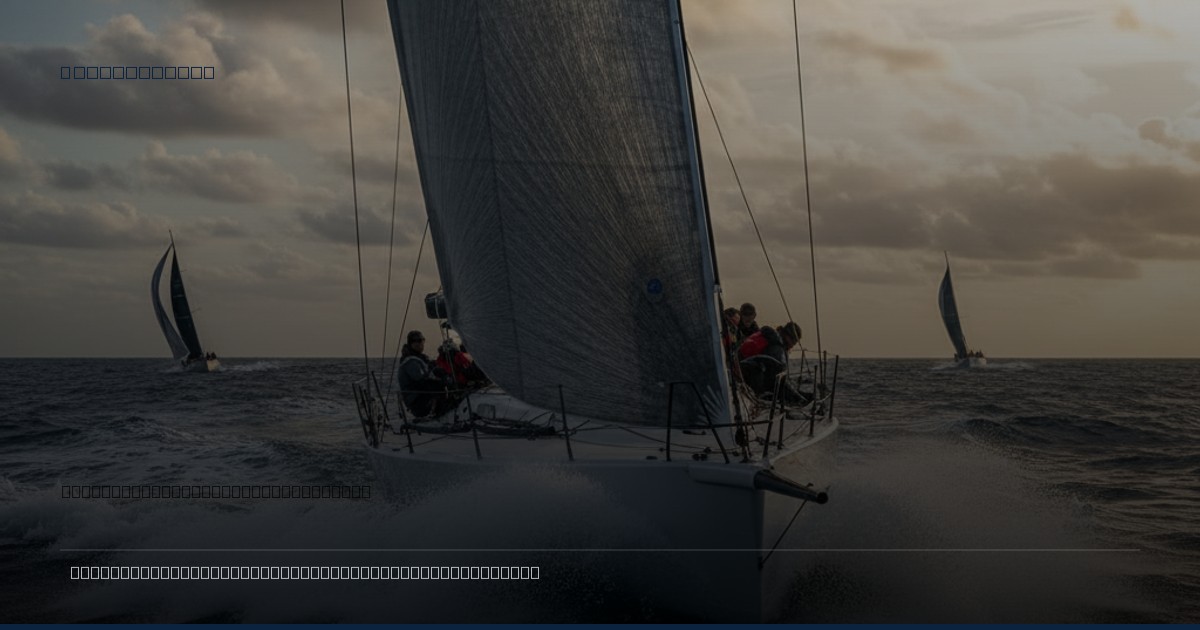
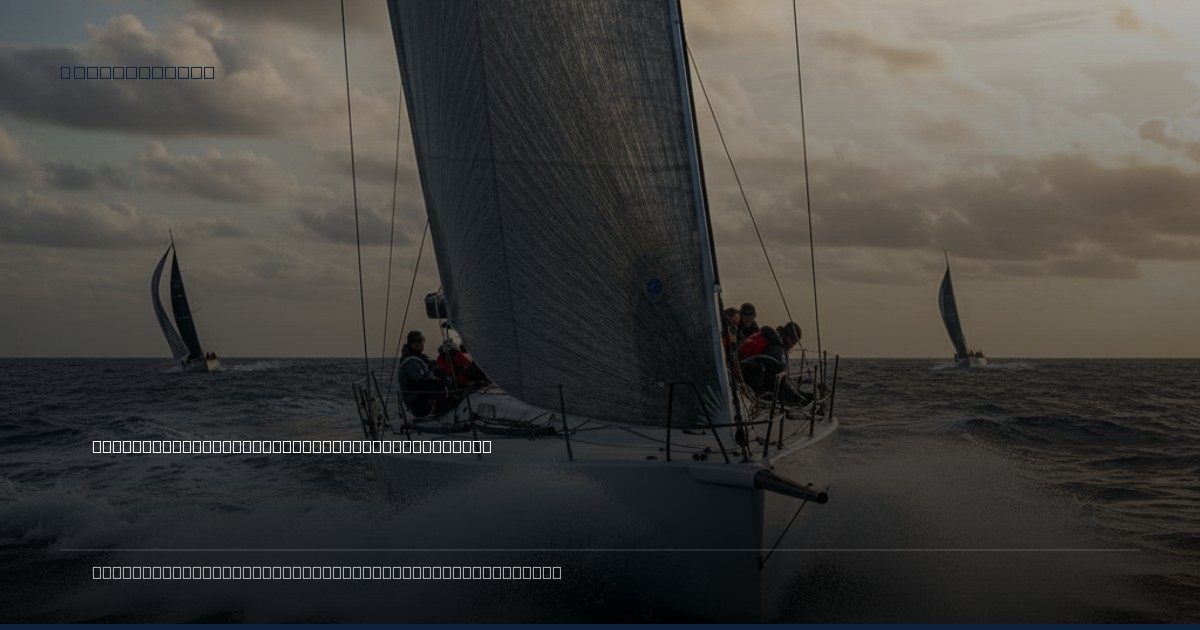
The scene is set off Haiti, the wind building to a furious 35 knots, gusting to 45. Gale conditions. On a boat, we can infer, designed with the grand prix circuit in mind, not the relentless, unpredictable grind of an offshore delivery. Triple-reefed main, a testament to the crew's immediate response to the deteriorating conditions, yet the underlying tension is palpable. The bilge pump, a seemingly innocuous detail, becomes a harbinger of deeper trouble. It cycles, then cycles again, a mechanical heartbeat of impending crisis. The skipper, a veteran by all accounts, checks the obvious, finds nothing, and presses on. A decision born of necessity, perhaps, or the ingrained competitive spirit that drives us all.
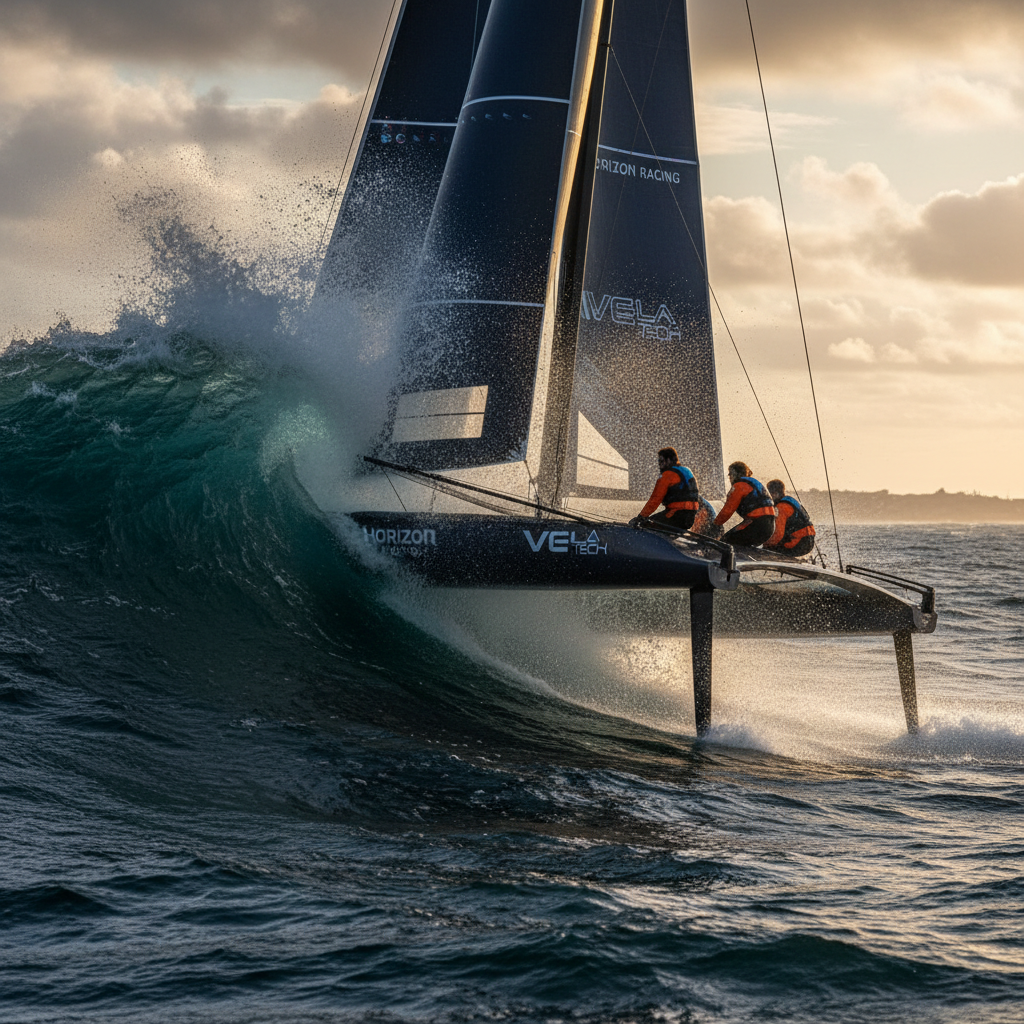
This isn't the glamour of a SailGP hydrofoiler skimming across flat water, nor the strategic chess match of an America's Cup match race. This is the raw, unforgiving reality of the open ocean, where even a well-found vessel can be brought to its knees. It underscores the critical distinction between a boat optimized for a specific racecourse and one built to endure the unpredictable wrath of a transatlantic crossing. The finest North Sails, the most robust Harken hardware, the perfectly tuned Southern Spars rig – none of it matters if the fundamental design philosophy overlooks the brutal demands of the deep blue. Evenson's account is a crucial cautionary tale, a stark reminder that even the fastest boats are ultimately fragile in the face of nature's unbridled power.