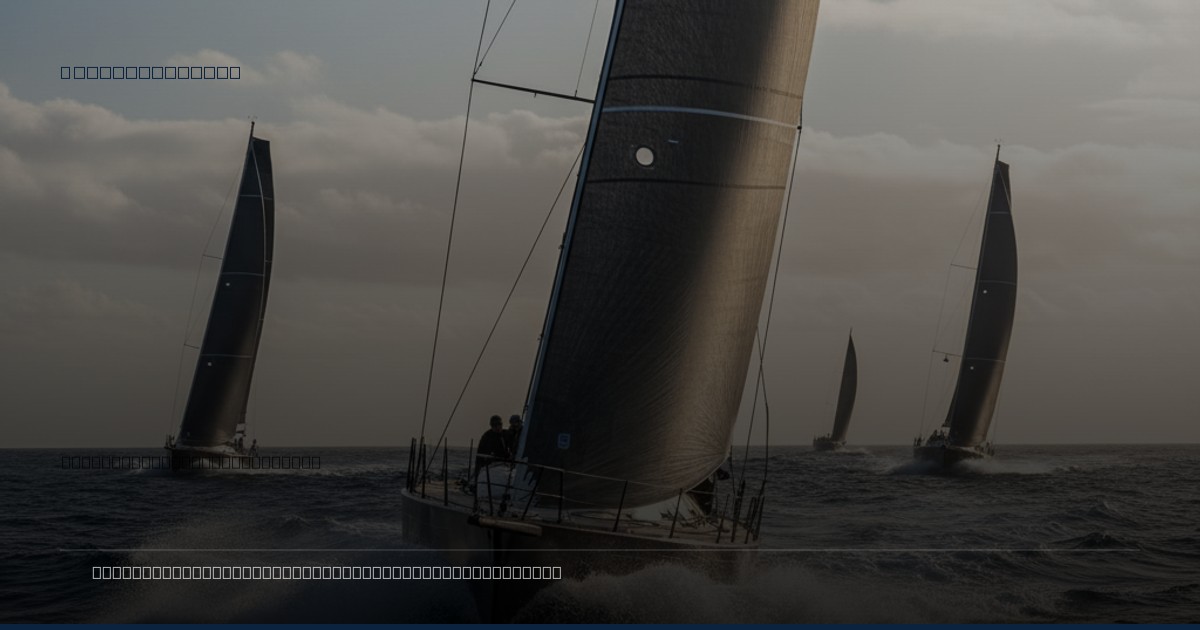
In an era dominated by foiling catamarans, wing sails, and the relentless pursuit of speed, it’s refreshing to cast an eye toward the grassroots, where the heart of sailing truly beats. The recent Ovington Inland Championships, featuring the venerable Firefly class, offered a poignant reminder that competitive sailing isn't solely about the cutting edge of technology or the stratospheric budgets of an America's Cup campaign. Instead, it's about something far more elemental and enduring.
While we at SailGrit meticulously dissect the tactical nuances of Peter Burling's wind shifts on an AC75 or the strategic brilliance of Tom Slingsby's SailGP team, the Firefly fleet at Ovington underscored a different kind of value. This wasn't about Harken winches the size of small cars or Southern Spars masts reaching for the heavens. This was about the pure, unadulterated pleasure of being on the water, the camaraderie forged over decades of shared tacks and gybes, and the simple satisfaction of coaxing every last knot out of a well-tuned dinghy.
The Firefly, a classic design, demands skill and intuition over sheer horsepower. Sailors here are honing their feel for the breeze, their boat handling, and their understanding of the racecourse – fundamental tenets that underpin every level of the sport, from an Olympic hopeful in a Finn to the helmsman of an IMOCA 60 in The Ocean Race. It’s a break from the relentless pressure of the professional circuit, an opportunity to reconnect with old friends, to tinker with rigging, and to simply enjoy the physical and mental challenge of sailing. In a sport increasingly defined by its extremes, the Firefly class at Ovington offers a vital anchor, reminding us all why we fell in love with sailing in the first place.