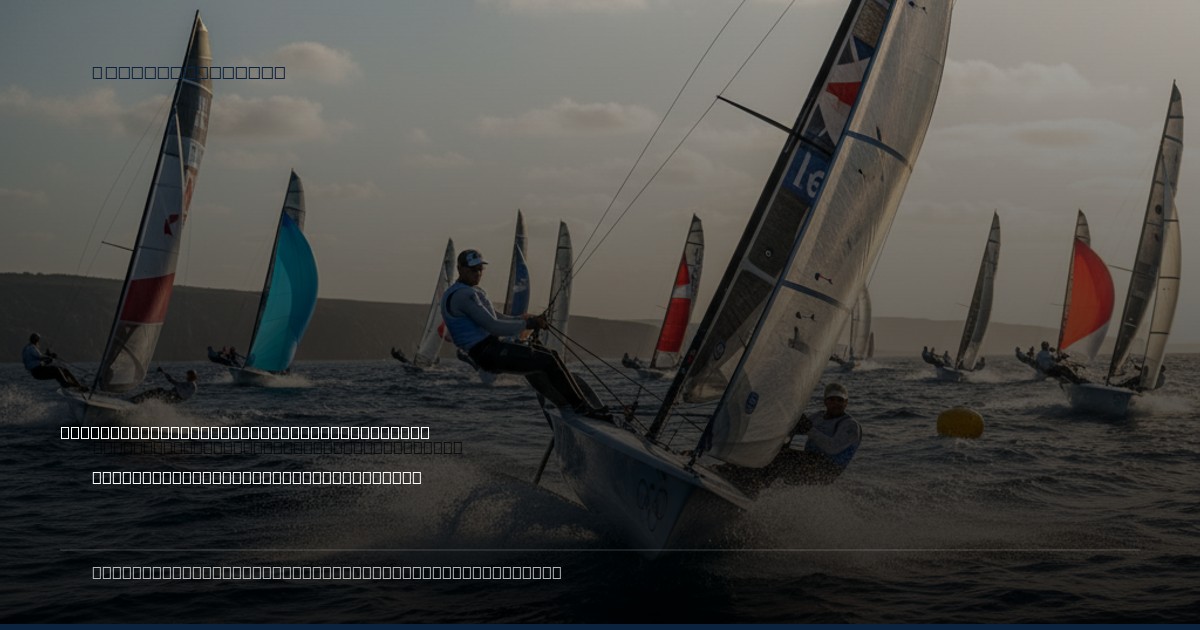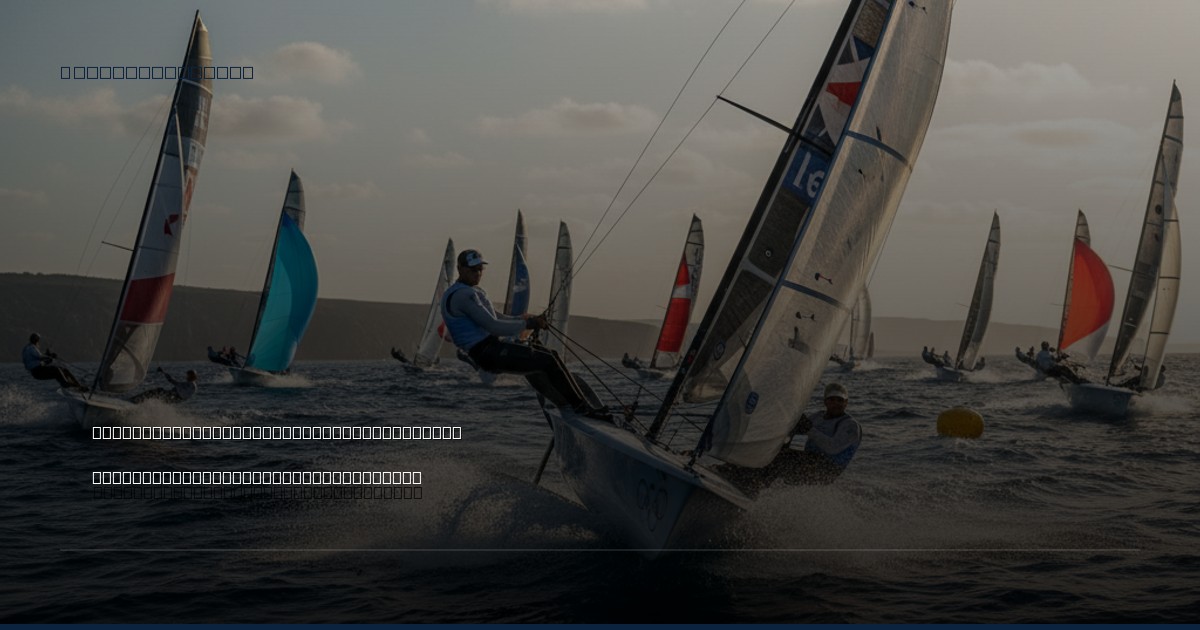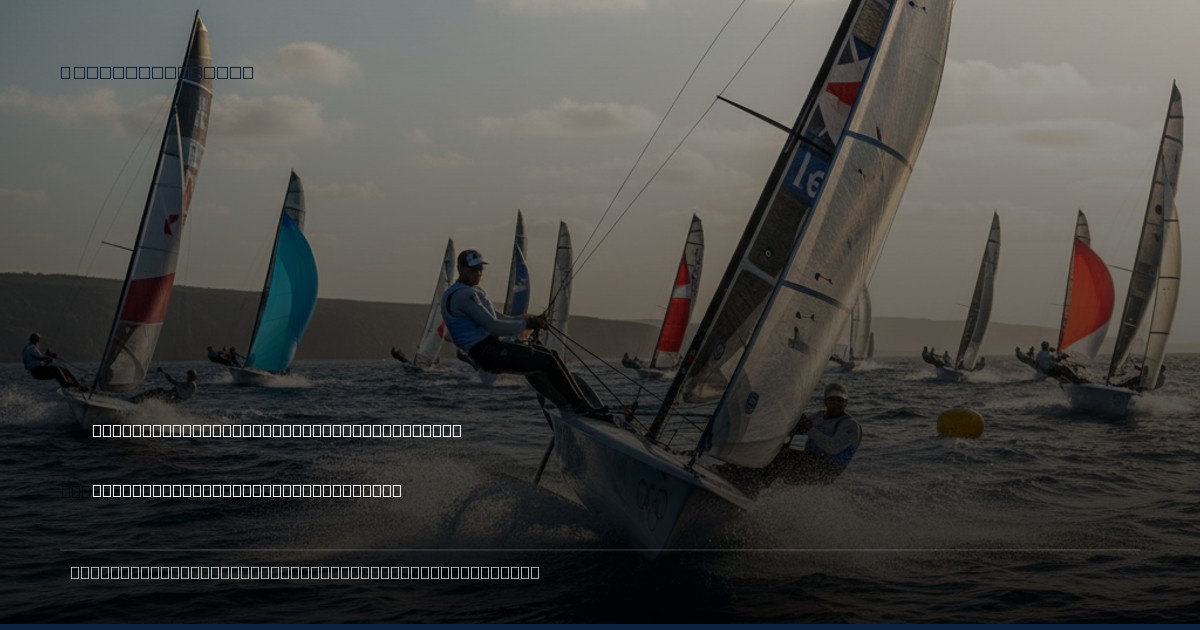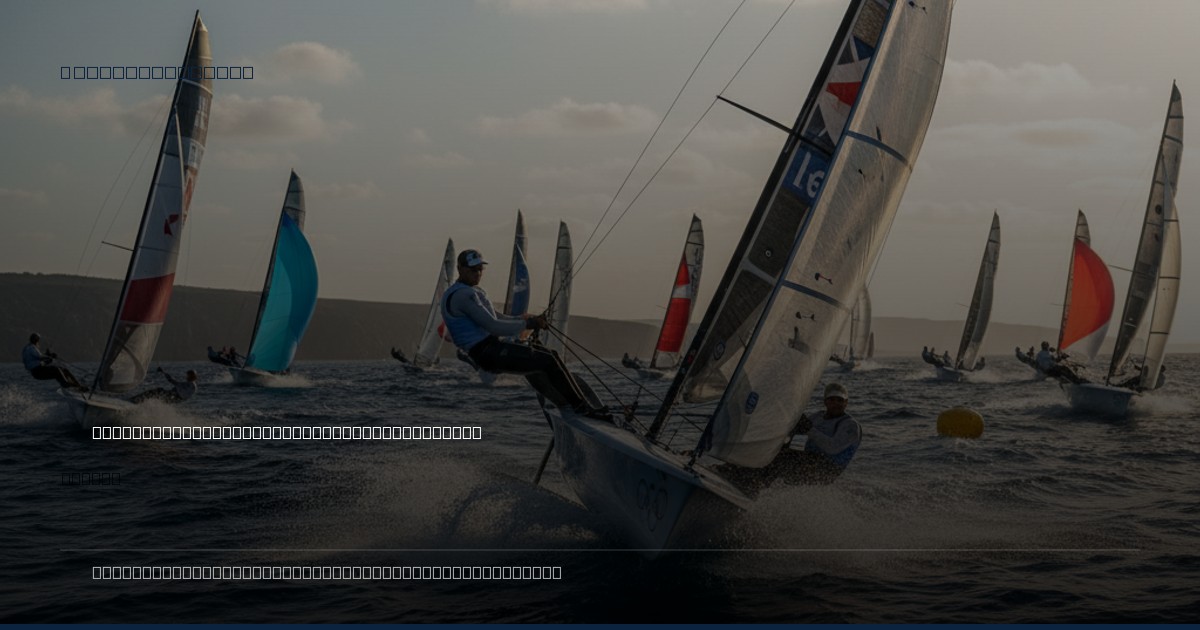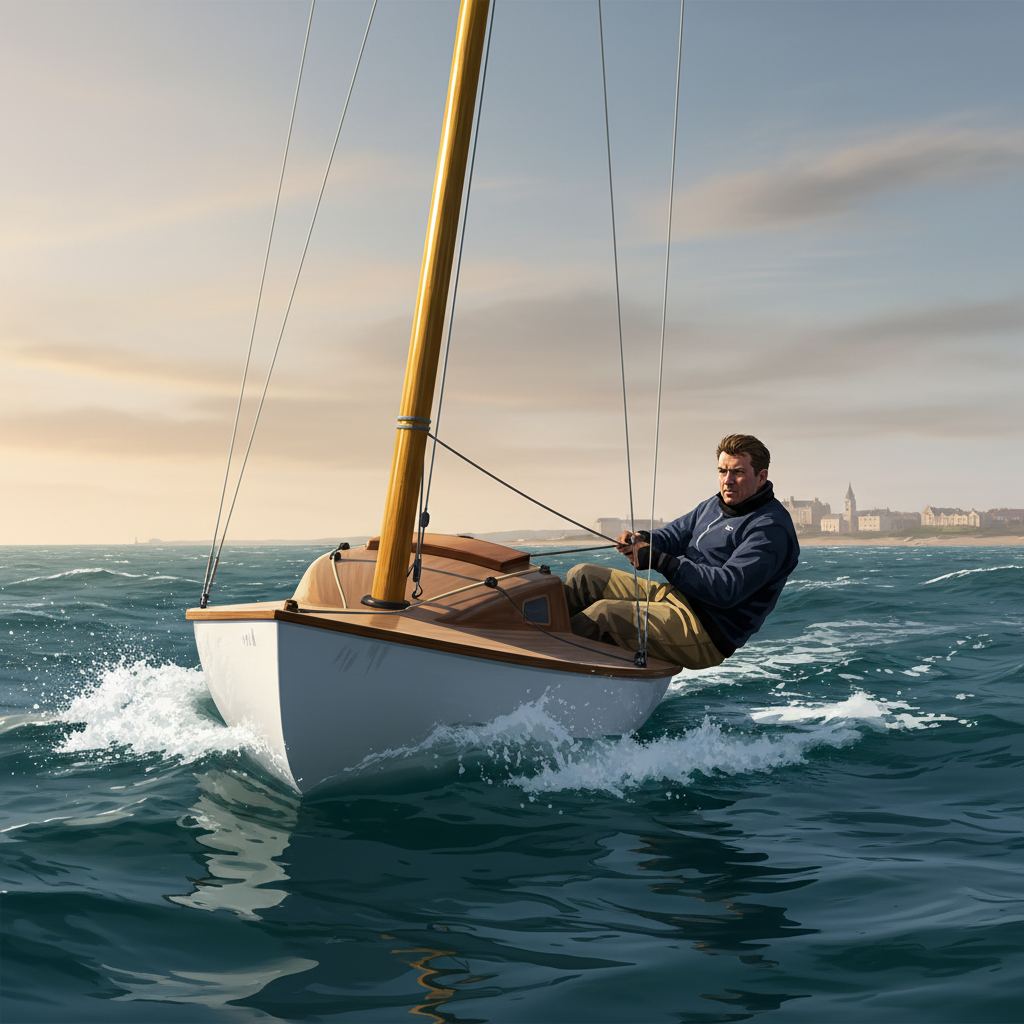
In an era dominated by foiling catamarans, digital dashboards, and AI-driven weather routing, it's easy to overlook the foundational craft that built the legends of our sport. Yet, as Sail-World recently highlighted, the venerable Finn dinghy, now 77 years young, continues to punch well above its weight class, even after its Olympic swansong.
For anyone who's ever wrestled a Finn around a windward-leeward course, the 'analogue' versus 'digital' debate isn't just theoretical; it's visceral. There are no Harken push-button controls here, no Southern Spars wing profiles to adjust on the fly. It's about feel, about reading the water with an acuity that transcends algorithms. The subtle shifts, the pressure lines, the boat speed derived from pure intuition – these are the skills honed in a Finn that translate directly to the grand prix circuit, whether you're trimming a North Sails 3Di upwind on an AC75 or calling tactics on a SailGP F50.
Consider the likes of Ben Ainslie, Giles Scott, or even the early careers of many America's Cup helmsmen. The Finn was their crucible. It taught them sail trim in its purest form, the art of hiking until your quads screamed, and the relentless pursuit of boat speed through sheer physical and mental fortitude. These are the building blocks of competitive sailing, skills that no amount of digital telemetry can replace. While the America's Cup campaigns now spend north of $100 million on technological advantage, the bedrock of sailing prowess remains firmly planted in the 'analogue' lessons taught by boats like the Finn. Its continued relevance, even from the 'back paddock,' is a testament to the enduring power of fundamental seamanship.