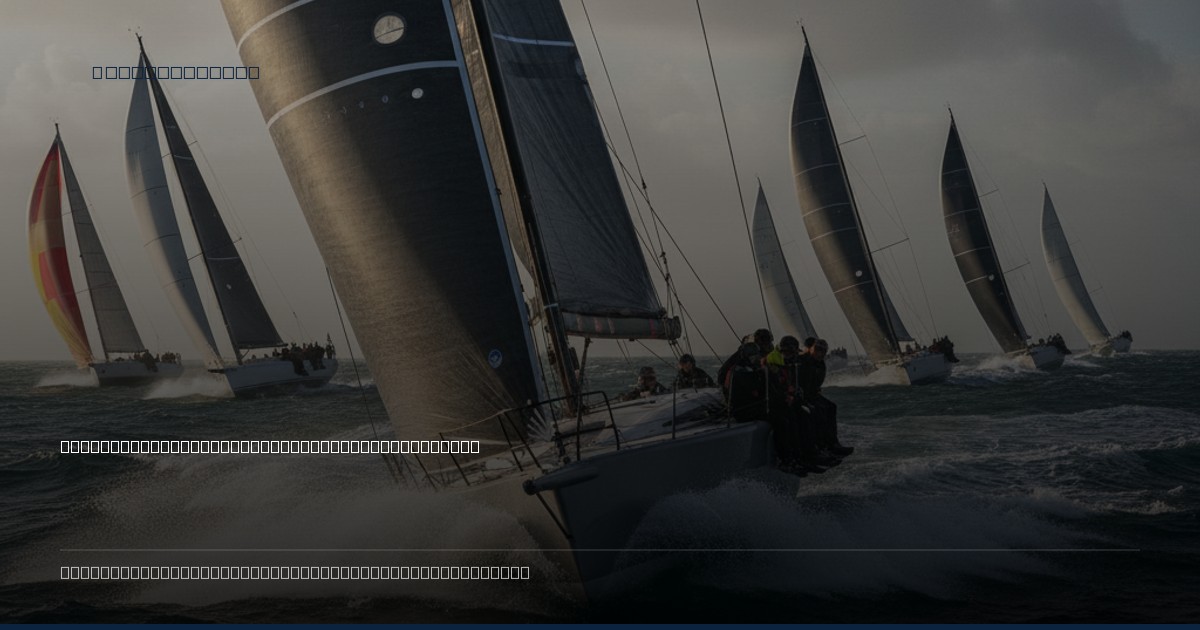
The whispers are growing louder in the yachting world: the America's Cup, that crucible of innovation and high-stakes competition, is contemplating the return of guest passengers on its cutting-edge racing yachts. For those of us who’ve witnessed the evolution of this sport from the IACC monohulls to the AC75s, this news resonates with a complex mix of nostalgia and trepidation.
The specter of May 2013, when Andrew 'Bart' Simpson tragically lost his life during an AC72 training session in San Francisco, looms large. That incident, a brutal reminder of the inherent dangers of pushing the boundaries of speed on water, fundamentally reshaped safety protocols. The shift to foiling catamarans and then the AC75s, with their immense power and unforgiving physics, made the idea of a civilian aboard seem unthinkable. The sheer G-forces, the blinding speed, the violent maneuvers – these are not for the faint of heart, nor the untrained.
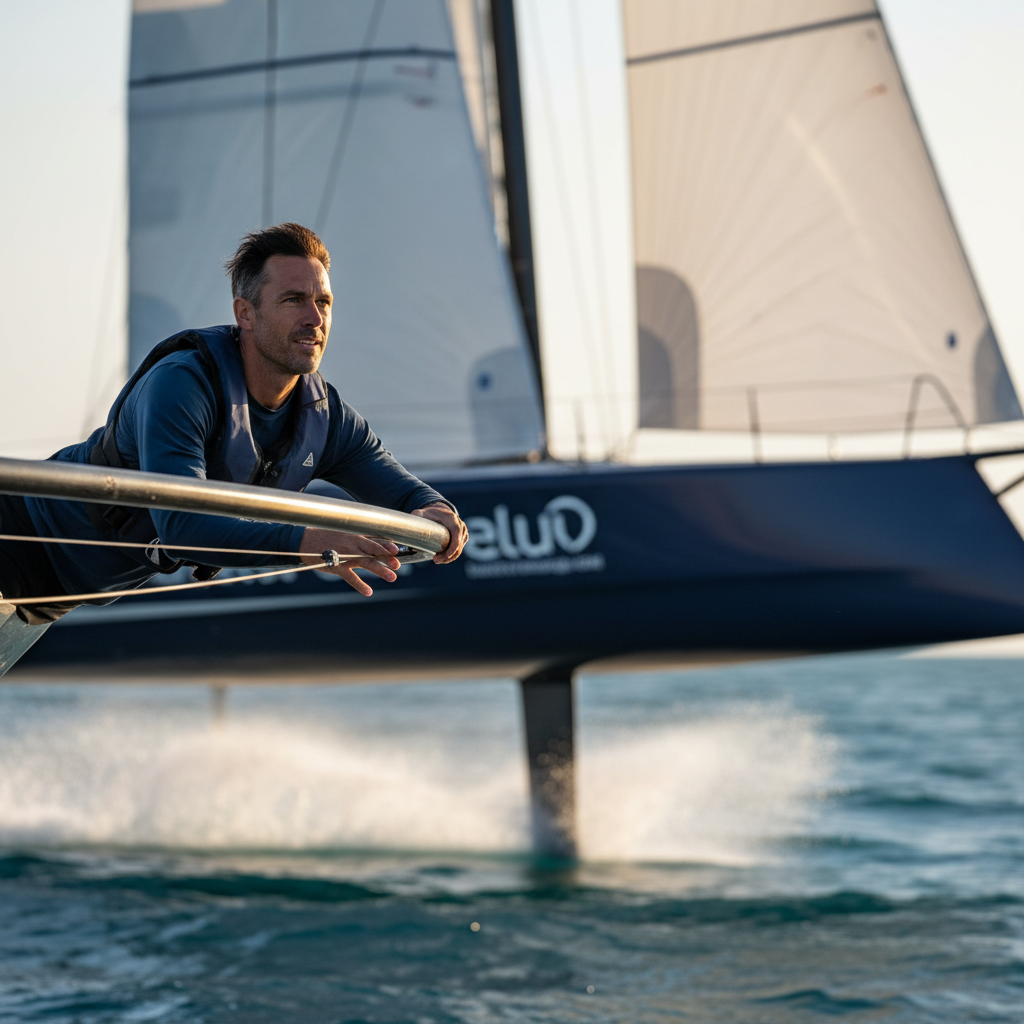
Yet, the commercial imperative of the Cup is undeniable. The allure of experiencing these multi-million dollar machines, powered by Southern Spars rigs and driven by titans like Peter Burling or Jimmy Spithill, is a powerful draw for sponsors and high-net-worth individuals. The question, then, is how to mitigate the risk. Are we talking about a dedicated, enclosed guest pod, perhaps designed by the same minds at North Sails who optimize the wing sails? Or a highly controlled, limited-speed experience?
The America's Cup has always balanced innovation with spectacle. While the thrill of a ride-along is undeniable, the lessons of the past must be paramount. Any reintroduction of guest passengers will demand an unprecedented level of safety engineering and operational rigor, a testament to how far the sport has come, and a stark reminder of the fine line between exhilaration and peril.