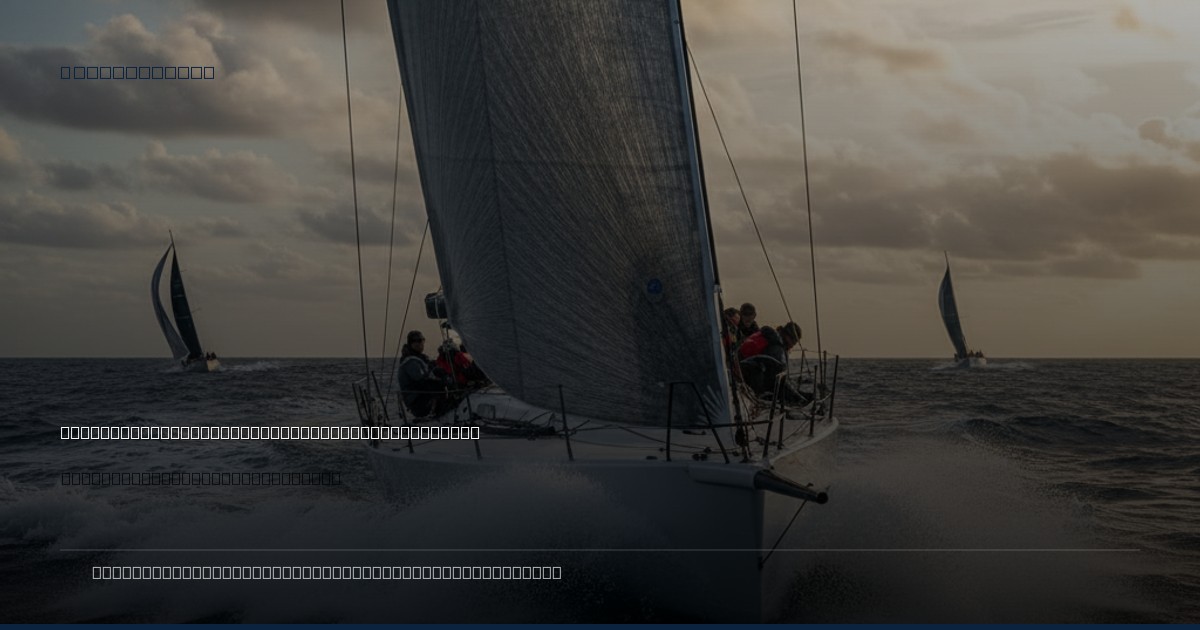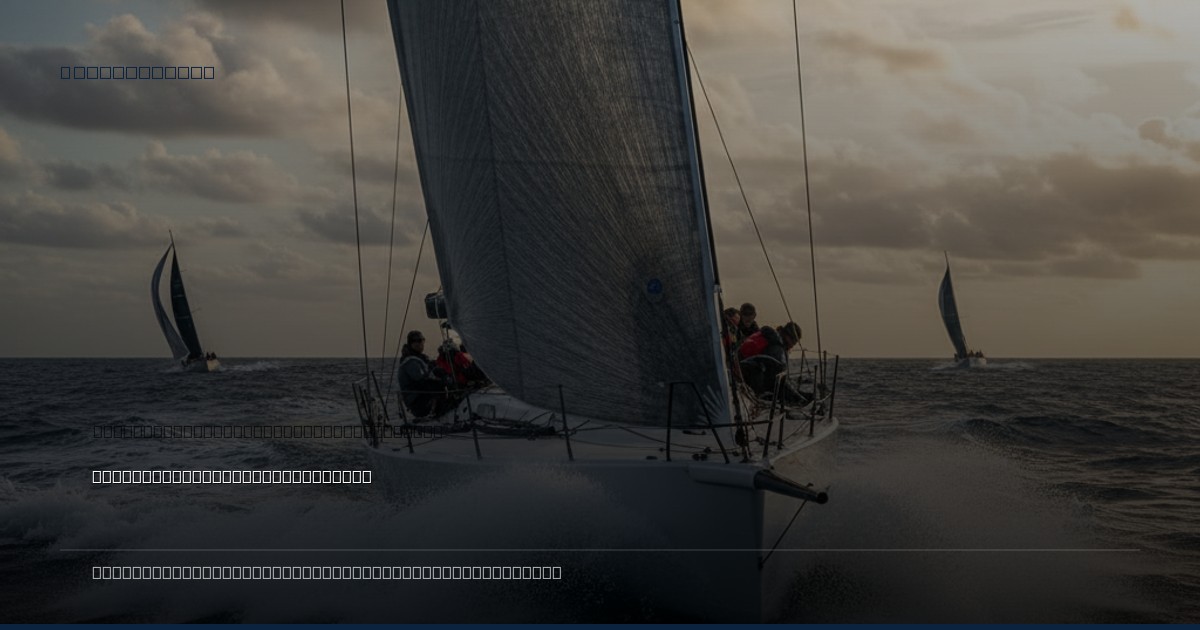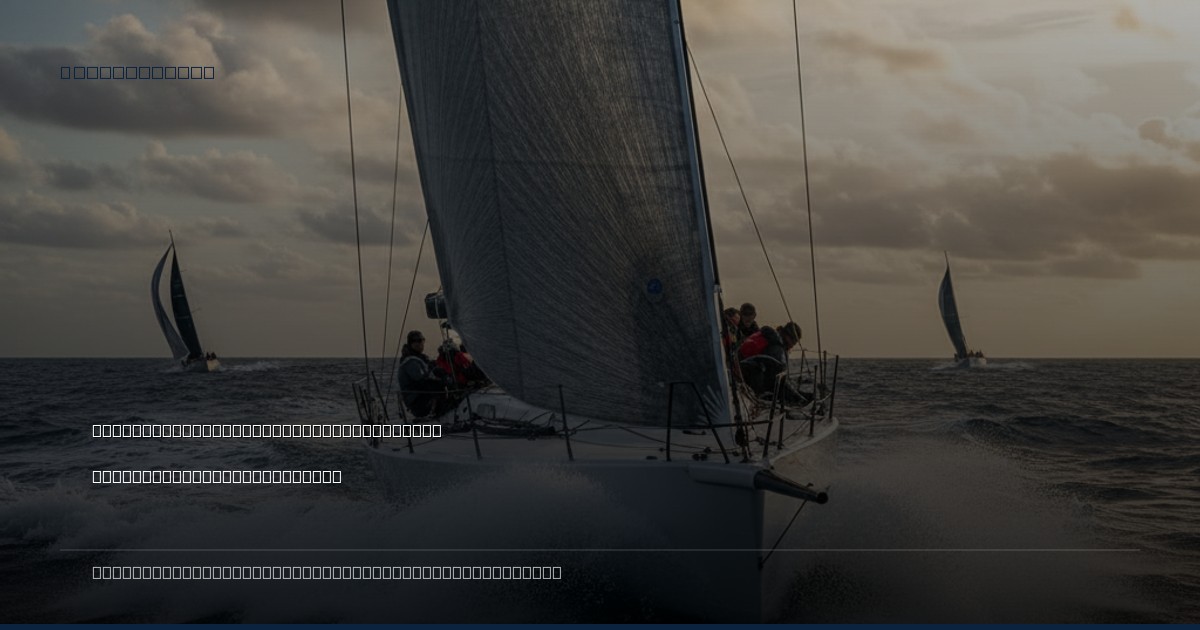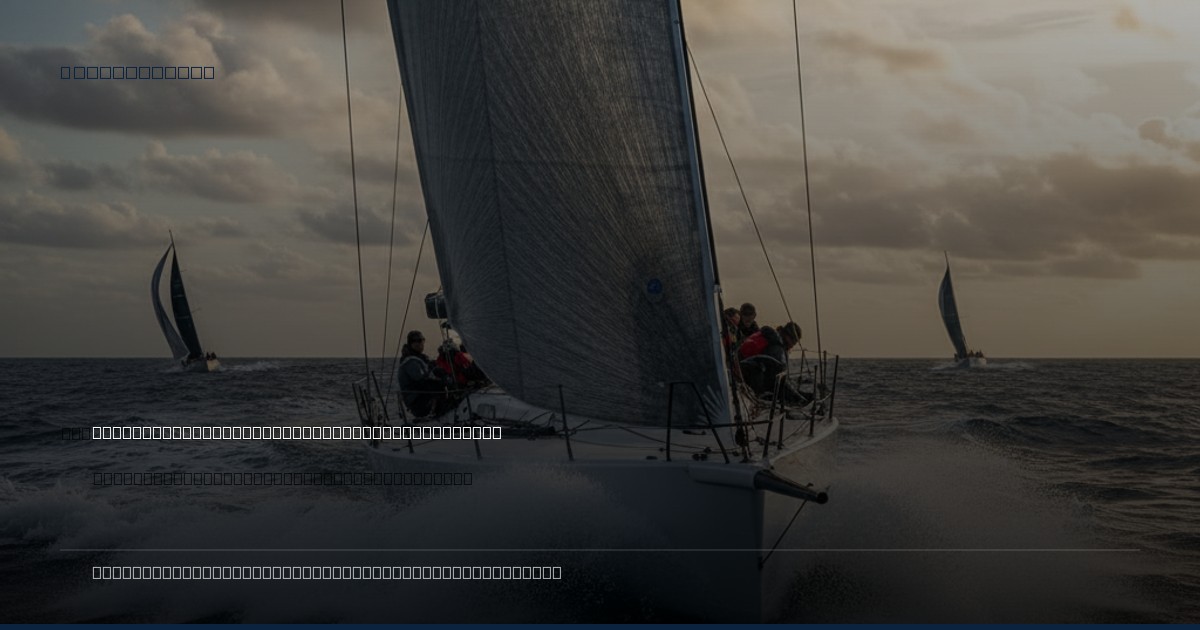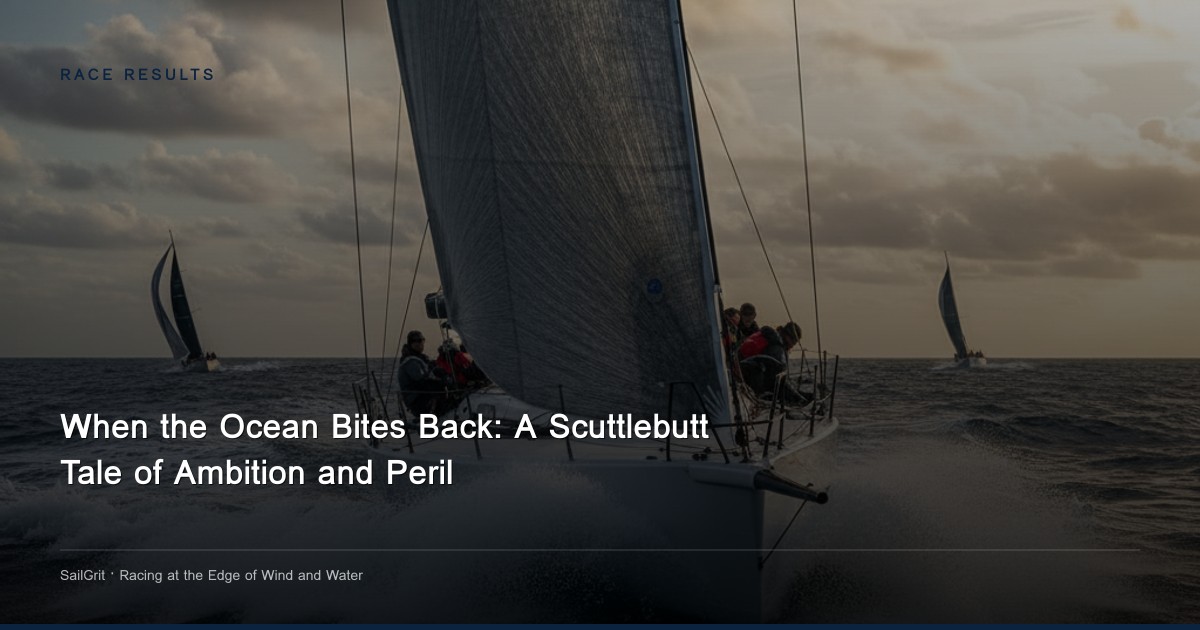
The siren song of speed, the allure of the horizon – it’s what draws us to the water, pushing the boundaries of design and human endurance. But as James Evenson's recent 'Loose Cannon' piece on Sailing Scuttlebutt starkly reminds us, the ocean has a way of humbling even the most ambitious endeavors. His gripping narrative, 'Born To Race, Built To Fail,' paints a vivid picture of a high-performance machine, designed for the sprint, not the marathon, battling gale-force conditions somewhere off Haiti.
The initial flicker of concern – a bilge pump cycling – quickly escalated into a full-blown crisis. Thirty-five knots, gusting to 45, is no mere breeze; it’s a proper thrashing. To be triple-reefed on the main in such conditions, on a boat optimized for outright pace rather than offshore resilience, speaks volumes about the fine line between calculated risk and outright peril. This isn't the controlled environment of a SailGP stadium race, nor the meticulously planned routing of a Transat Jacques Vabre. This is raw, unadulterated ocean.
Evenson’s account, even in its summary, resonates with every sailor who has felt the raw power of a building gale. It’s a stark reminder that while the grand prix circuits – the America's Cup, The Ocean Race, even the precision foiling of SailGP – push the envelope of technology with wing sails, advanced hydrofoils, and sophisticated weather routing, the fundamental challenges of seamanship remain. The best Harken blocks, Southern Spars rigs, or North Sails inventories can only do so much when the boat itself is being pushed beyond its intended design parameters. It’s a testament to the unforgiving nature of the sea, where even the smallest oversight or miscalculation can quickly transform a thrilling passage into a desperate fight for survival. This is the brutal truth behind the glossy brochures and the podium finishes.