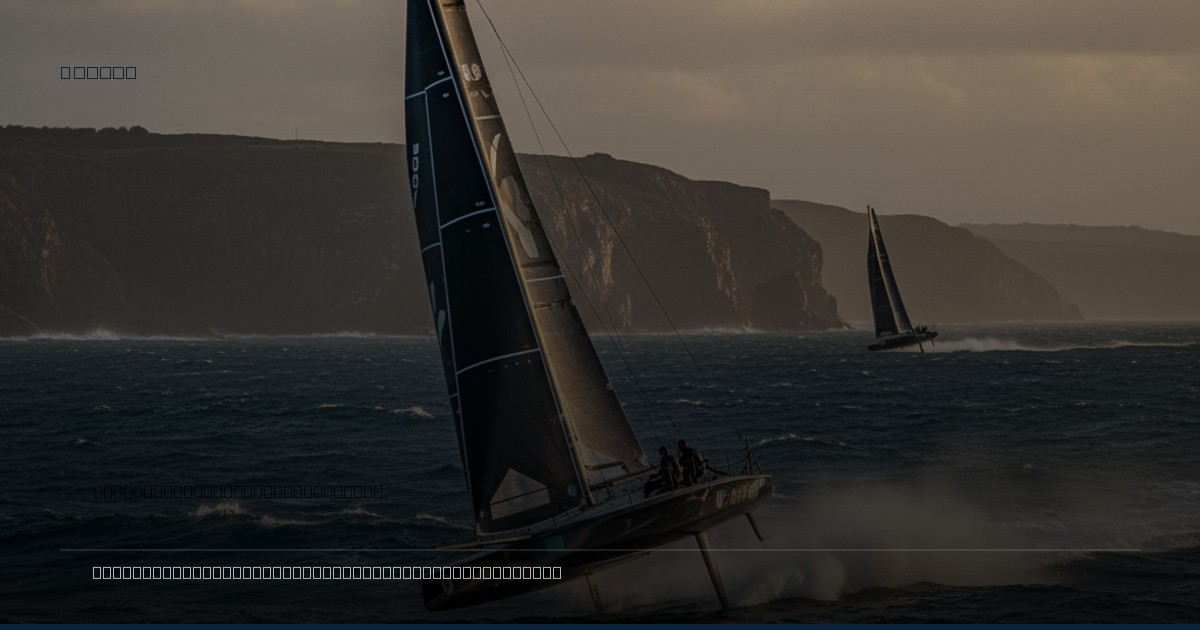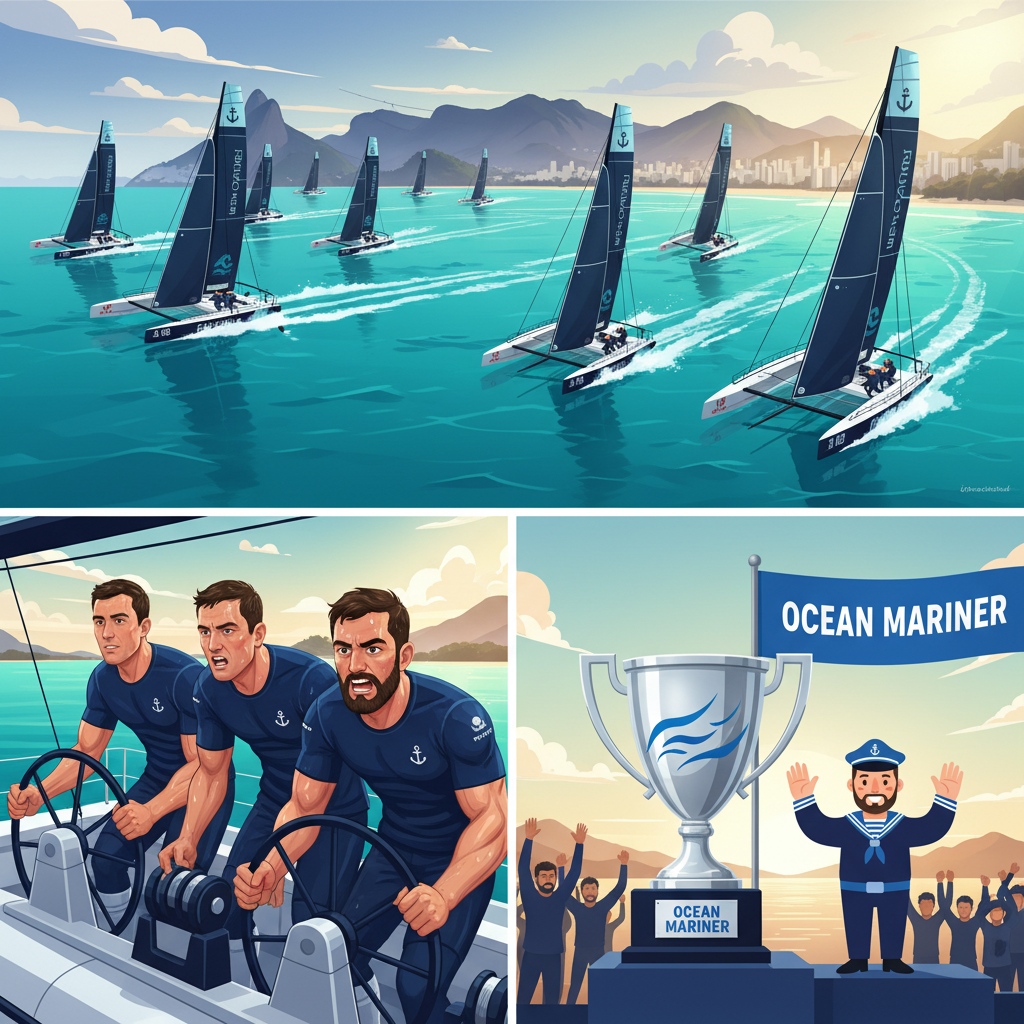
The sun-drenched shores of Rio de Janeiro played host to a historic weekend, as SailGP, the gladiatorial arena of foiling catamarans, made its long-awaited South American debut. For years, the whisper of a Brazilian stop has circulated through the paddock, and the inaugural Rio Sail Grand Prix delivered on the promise of spectacular racing against an iconic backdrop.
While the on-water action, with its trademark close-quarters foiling and heart-stopping maneuvers, undoubtedly captivated the local crowds and global audience, the significance of this event extends beyond the racecourse. Landing in South America represents a crucial strategic move for SailGP, a league that, like its America's Cup forebear, operates on a massive financial scale. The F50s, with their Southern Spars rigs and Harken hydraulics, are not cheap to transport, maintain, or race. Securing new host cities and their associated broadcast and sponsorship revenues is paramount to the league's continued expansion and viability.
The challenge, as always in professional sailing, lies in balancing the allure of new markets with the cold, hard reality of commercial returns. While the enthusiasm in Rio was palpable, the long-term success of such ventures hinges on converting that excitement into sustainable revenue streams. For a league aiming to rival mainstream sports, the ability to consistently attract significant local investment and a robust fan base in diverse territories is the ultimate test. Rio was a vibrant first step, but the journey to truly embed SailGP in the South American sporting consciousness has only just begun.